
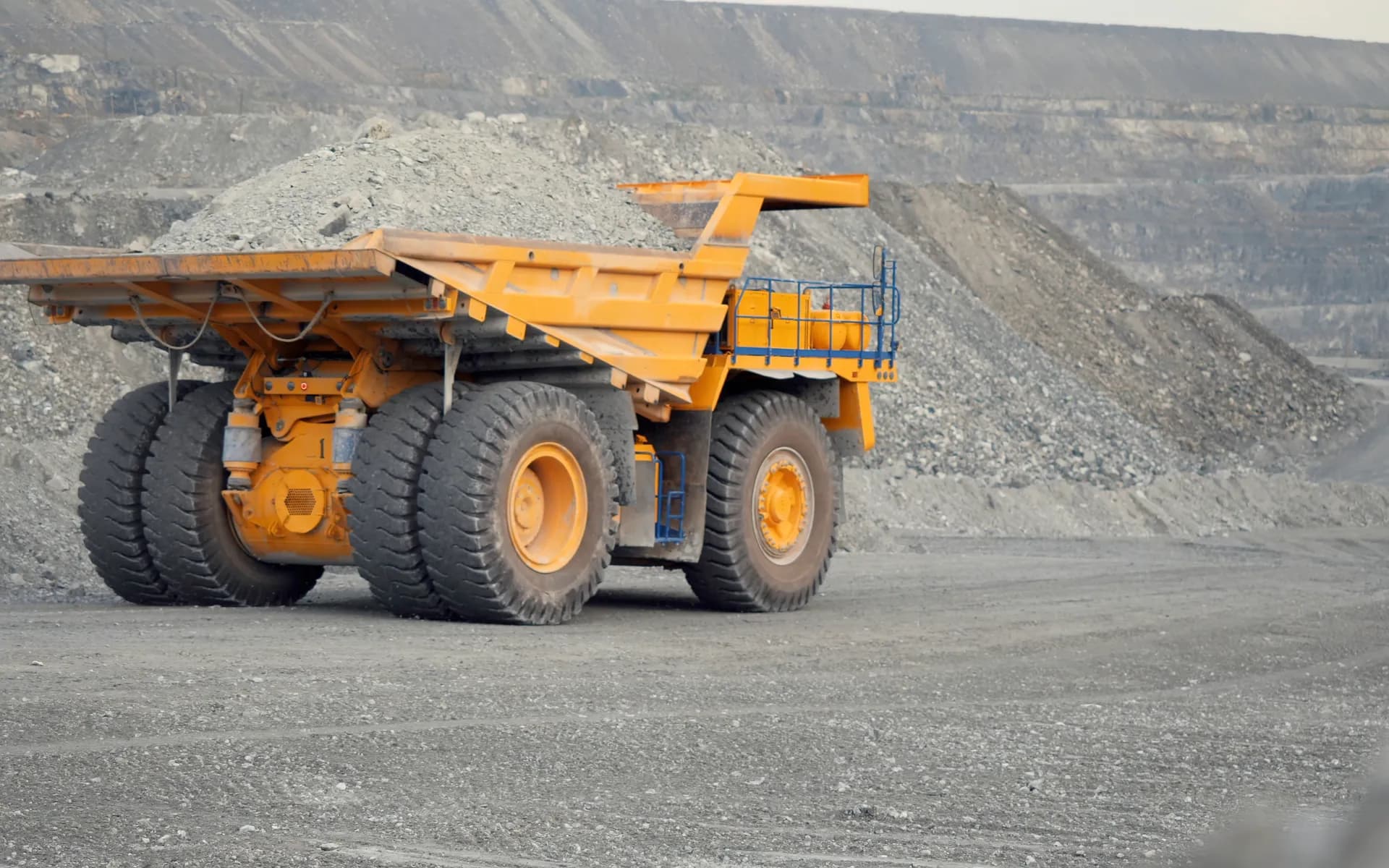
Mining and off-road
asset tracking
Rugged GPS tracking for haul trucks, light vehicles, pumps, generators and mobile plant at mines, quarries and remote work sites. Heavy-duty enclosures and a coverage plan come first, then a complete position and event history.

THE PROBLEM
The harshest sites have the weakest networks
Mines and quarries are tough on equipment. Constant vibration on haul roads, fine dust, heat, water and high-pressure washdowns break consumer-grade electronics in weeks. A tracker built for the car park leaves gaps in the record that nobody notices until they need it.
These sites are often far from towns, with patchy public mobile coverage across the pit, the haul roads and the camp. Some operations run their own private networks. The tracking design has to fit whatever the site actually has.
Meanwhile, the site manager still needs the basics: where every vehicle and mobile asset is, where it has been, and what happened when an incident report lands on the desk.
HOW WE SET IT UP
Ruggedness and coverage designed in from the start
Heavy-duty enclosure
We select metal or custom enclosures for vibration, dust and washdown, and plan mounting and cable protection for each asset type. A custom moulded enclosure can be designed for assets with unusual mounting points.
Coverage survey before hardware
We review the coverage across the pit, haul roads and workshops early in the project. Reporting is then designed around it, and our devices keep the record when the network drops and send it once coverage returns.
Position and event history
Every asset builds a time-stamped history of position and events such as movement, stops and zone entries. That history supports shift reviews, incident investigations and utilisation reports.
Data on site or in the cloud
Data can go to RIOD Live or to a server you own, including one on the mine network, with an API into your fleet or maintenance systems.
AT A GLANCE
Mining and off-road asset tracking
- What is measured
- Position and event history: movement, stops and zone entries
- Hardware
- RNDSquare GPS and telematics tracker in a heavy-duty metal or custom enclosure
- Connectivity
- GNSS positioning, cellular reporting, MQTT over TLS 1.2
- Power
- Engineered to each machine supply, or battery from about 2,000 to 5,000 mAh for unpowered assets
- Where data goes
- RIOD Live, or your own server including one on the site network
- Integration
- API into fleet and maintenance systems
- Engineering note
- Heavy-duty enclosure and a coverage plan for the site are part of every mining project
FAQ
Questions buyers ask us
What makes a GPS tracker suitable for mining equipment?
It has to survive constant vibration, dust, heat and pressure washing, and keep its record through coverage gaps. We design the enclosure, mounting and cable protection for each asset type and plan reporting around the site's coverage.
How does asset tracking work at mine sites with poor mobile coverage?
Positioning comes from satellites, so the tracker knows where it is everywhere on site. We survey coverage early, and our devices keep the record when the network drops and send it once coverage returns.
Can mining tracking data stay on our own servers?
Yes. Data can go to RIOD Live or to a server you own, including one on the mine network. An API connects it to your fleet and maintenance systems.
Can you track unpowered assets such as pumps and trailers on site?
Yes. Battery versions from about 2,000 to 5,000 mAh suit assets with no electrical supply. Reporting intervals are set to balance updates against battery life on each asset.
Tracking assets on a remote site?
Tell us the asset types, the site conditions and the coverage you have today. We will propose the enclosure, power and reporting design.