

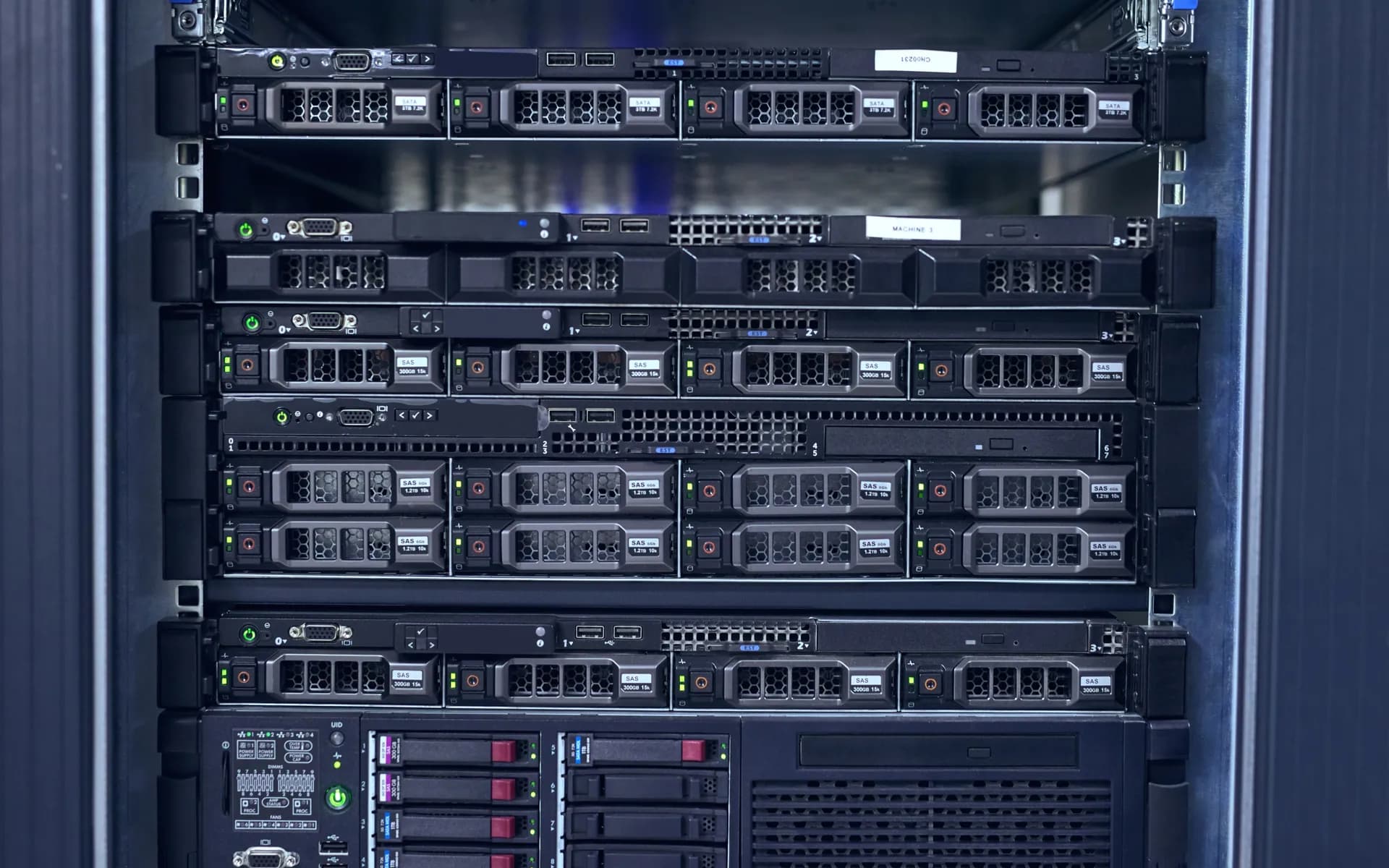
Historical Playback and
Data Warehouse
The storage backbone behind telematics history. Hot and cold tiering, trip reconstruction and playback, retention and compliance, and a warehouse on ClickHouse or BigQuery that keeps years of data both queryable and affordable.
 THE CHALLENGE
Telematics History Gets Expensive and Slow Fast
A single vehicle reporting every few seconds produces millions of points a year, and a fleet multiplies that into billions. Keep it all in one operational database and queries crawl and costs balloon. Throw it away and you lose the trip playback an investigation needs and the long-range trends analytics depend on. The hard part is keeping recent data instant, old data cheap, and every trip reconstructable on demand. Tiered storage and a warehouse make that possible.
Sits inside the telematics software platform stack and shares hardware and platform building blocks with Telematics Backend and Data Ingestion.
SCOPE OF WORK
What's Included
Hot and Cold Storage Tiering
Recent data stays in a fast time-series database for instant live and near-term playback, while older data moves to compressed cold storage or a columnar warehouse. Automated tiering jobs migrate data on age and access patterns so neither speed nor cost gets sacrificed.
Trip Reconstruction
The raw fix stream is segmented into ignition-on journeys, small gaps are filled, the path is map-matched to the road graph, and distance, duration, stops, and events are computed per trip. This turns a noisy stream of coordinates into a clean, queryable set of trips.
Replay API
A replay API returns a trip as an ordered, time-stamped path with speed and events, ready for the dashboard to animate. The same API serves yesterday from hot storage and a two-year-old trip from the warehouse identically.
Data Retention and Compliance
Per-class retention policies, automated purge, and access controls meet AIS 140 and other mandates, plus the longer retention insurance and legal cases require. Nothing is held longer or shorter than it should be.
Downsampling
Cold data is downsampled with path-aware thinning, keeping every meaningful turn and stop while dropping redundant points on long straight runs. Storage shrinks sharply while trips still reconstruct accurately.
Data Warehouse
A ClickHouse or BigQuery warehouse fed by aggregation pipelines lets fleet-wide history and analytics run on a store built for wide columnar scans rather than fighting an operational database.
TECHNICAL APPROACH
How It's Built
Storage is designed around access patterns. Recent data is read constantly and must be fast, old data is read rarely and must be cheap, and the path between them has to be automatic. Getting that lifecycle right is what keeps a multi-year telematics archive both usable and affordable.
Time-Series Hot Store
Recent fixes and events land in a time-series database tuned for high write rates and range queries by device and time. This backs the live map and the playback most users actually request, the last few weeks.
Columnar Warehouse
Aged and aggregated data flows into ClickHouse or BigQuery, partitioned by time and compressed hard. Wide fleet-level scans and long-range trends run here without touching the operational path.
Lifecycle Automation
Scheduled jobs tier, downsample, and purge data by policy, and an indexed catalogue tracks where each trip lives so the replay API fetches transparently from hot or cold without the caller knowing the difference.
INTEGRATION POINTS
Where the Archive Connects
Backend Ingestion
The archive consumes the decoded telemetry the ingestion layer produces, so the same stream that powers live tracking is what gets segmented, stored, and tiered for history.
Dashboard Playback
The replay API drives the playback view in the operator dashboard, animating a trip along its snapped path with a timeline of stops, overspeed, and other events.
Reporting and BI
The warehouse and aggregation pipelines feed the reporting module and any embedded BI, so utilisation and fuel history reconcile with what playback shows.
Audit and Legal Export
On-demand export of a vehicle or trip range supports insurance claims, disputes, and regulatory audits, with retention and access controls keeping the export defensible.
FAQ
Common Questions
What is hot versus cold storage in this context?
Hot storage holds recent, frequently accessed data in a fast time-series database so the live map and the last few weeks of playback are instant. Cold storage holds older history in cheap object storage or a columnar warehouse, compressed and downsampled, where it is read occasionally for audits, disputes, or long-range analytics. Tiering this way keeps the live system fast and the storage bill realistic as years of data accumulate.
How does trip playback work?
Each trip is reconstructed from stored fixes, segmented into ignition-on journeys, map-matched to the road, and served through a replay API. The dashboard then animates the vehicle along its route with speed, stops, and events shown on a timeline. Playback works the same whether the trip is from yesterday in hot storage or from two years ago in the warehouse.
How long can data be retained, and what about compliance?
Retention is configurable per data class and is often driven by regulation. AIS 140 and various transport mandates require trip data to be held for defined periods, and some customers keep years of history for insurance or legal reasons. Retention policies, automated tiering and purge, and access controls let the platform meet those obligations without keeping everything hot forever.
Why downsample, and does it lose accuracy?
A vehicle reporting every few seconds produces far more points than anyone needs for a two-year-old trip. Cold data is downsampled, keeping every point where the path changes meaningfully and thinning the long straight runs, so the trip still reconstructs accurately while storage drops sharply. Recent hot data stays at full resolution, so nothing is lost where it matters.
Which warehouse is used?
It depends on scale and where you run. ClickHouse is the usual choice for self-hosted, high-ingest columnar analytics, and BigQuery suits teams already on Google Cloud who want serverless scale. Both handle the wide scans that fleet-wide history and analytics demand, and both are fed from the same aggregation pipelines that drive reporting.
Keep Years of History Fast and Affordable
Share your fleet size, reporting interval, and retention requirements to get a tailored approach and a realistic timeline for a tiered storage and warehouse architecture that keeps recent data instant and old data cheap, with playback on demand.
Schedule a Free Consultation