

 Industries
How Can You Maintain Visibility into Engineering Changes After a Product Enters Mass Production?
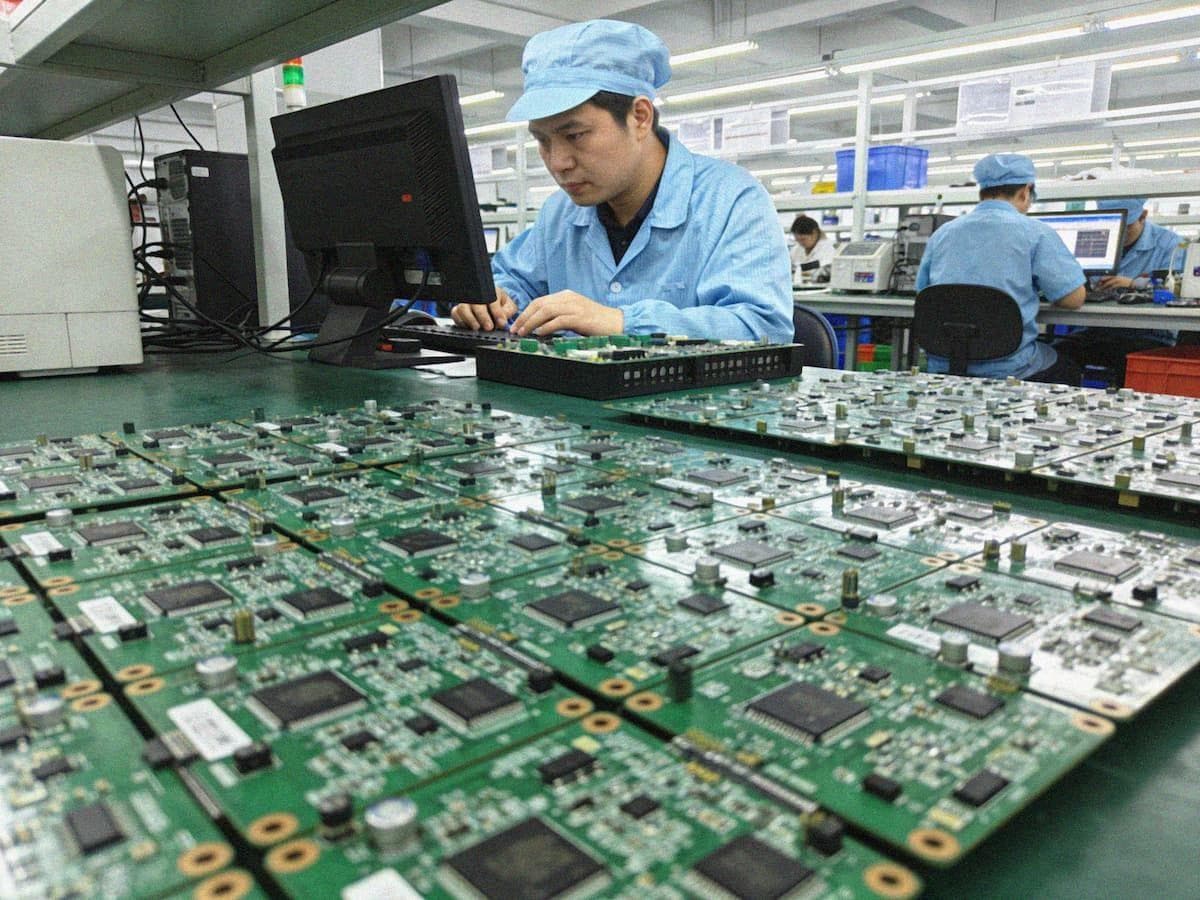
A hardware product company approached RNDSquare to address challenges in managing engineering changes after its product had entered mass production. As the product evolved, the engineering team continued making changes to components, PCB revisions, firmware, and product configurations to improve performance, address field issues, and accommodate component availability.
However, maintaining visibility into these changes across engineering, procurement, manufacturing, and quality teams became increasingly difficult.
Engineering updates were often documented in separate files, spreadsheets, and internal communication channels. Manufacturing teams sometimes continued working with earlier revisions, while procurement relied on outdated BOM information. This created uncertainty about which design revision, components, and firmware version were used in each production batch.
The company needed a structured approach to track engineering changes and ensure that every team had access to the correct product information.
Common challenges included:
- Revision tracking: Identifying which hardware revision was approved and used for each production batch.
- BOM inconsistencies: Ensuring component changes were reflected in the latest BOM and communicated to procurement.
- Change visibility: Understanding how an engineering change affected manufacturing, testing, and product configurations.
- Firmware compatibility: Maintaining visibility into firmware versions associated with different hardware revisions.
- Production traceability: Identifying which manufactured units were affected by a particular engineering change.
- Documentation gaps: Keeping engineering documents, change records, and manufacturing information aligned.
The company needed a more reliable way to manage engineering changes throughout the product lifecycle, even after production had scaled.
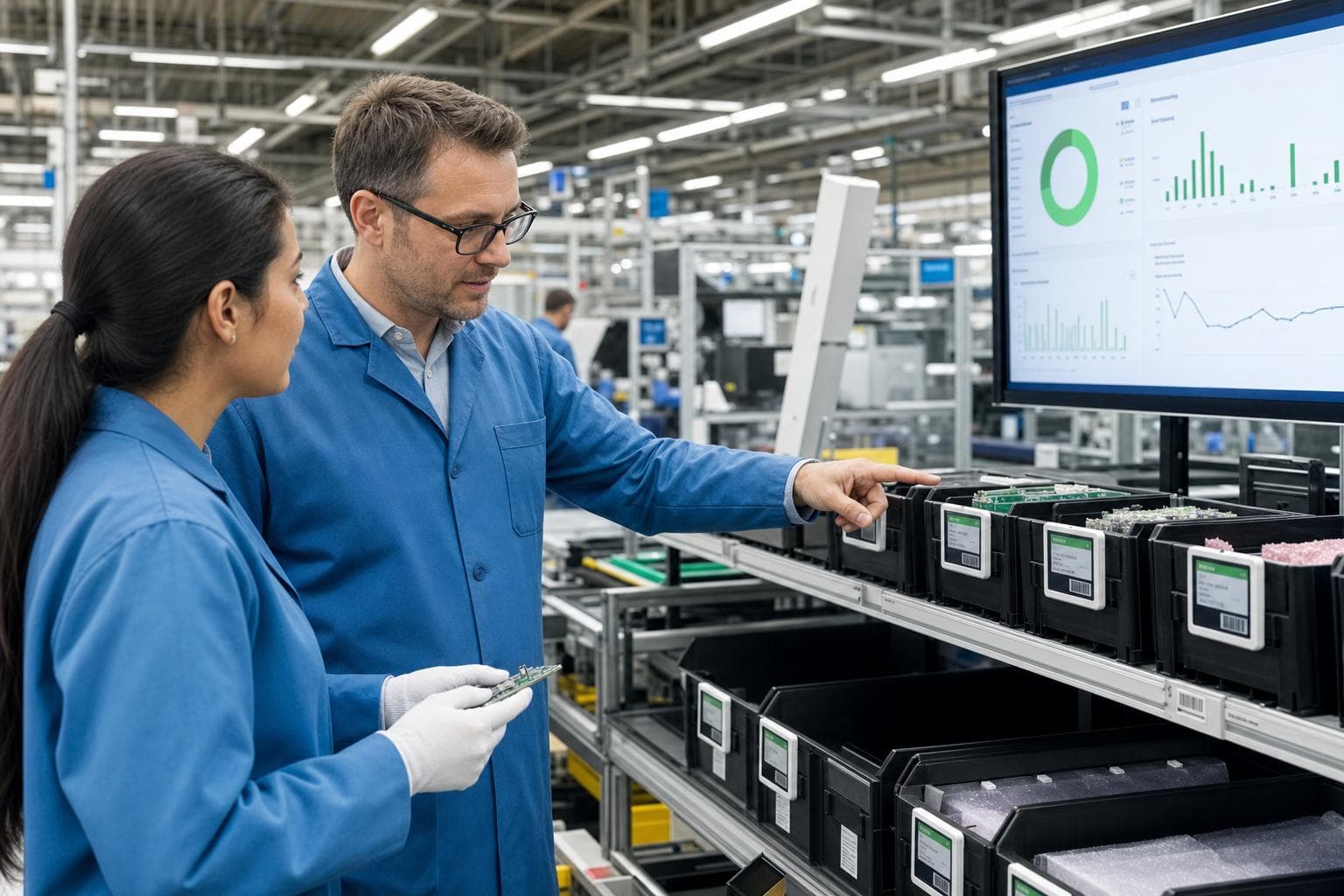
After understanding the company's requirements, RNDSquare proposed a structured approach to engineering change management and product traceability. The focus was on connecting engineering revisions, BOM information, manufacturing records, and firmware configurations to maintain visibility across the product lifecycle.
Our team focused on the following activities:
- Engineering Change Tracking: Established a structured approach to recording hardware design changes, revision updates, and engineering decisions, including the reasons behind each change.
- BOM Revision Management: Organized BOM information to ensure component additions, replacements, and removals were reflected in the appropriate product revision.
- Change Impact Analysis: Identified how engineering changes could affect procurement, manufacturing processes, testing requirements, and existing product configurations.
- Hardware-Firmware Traceability: Connected hardware revisions with their corresponding firmware versions and configurations to reduce compatibility issues.
- Production Batch Tracking: Recommended maintaining records of hardware revisions, component details, and manufacturing information against individual production batches and device serial numbers.
- Documentation and Approval Control: Established a consistent approach to maintaining approved design files, revision histories, and change records so teams could access the correct information.
By connecting these records, the approach aimed to give engineering and manufacturing teams a clearer understanding of what changed, when it changed, and which products were affected.
The engagement highlighted that engineering change management does not end when a product enters mass production. Hardware products continue to evolve through component substitutions, design improvements, firmware updates, and manufacturing adjustments.
Without proper revision tracking and change visibility, even a small engineering update can create inconsistencies across procurement, production, testing, and field operations.
By adopting a structured engineering change and traceability approach, the company could improve visibility into product revisions and establish better coordination between engineering and manufacturing teams.
The key benefits of this approach include:
- Improved revision visibility: Better visibility into hardware revisions and engineering changes across production batches.
- Reduced BOM confusion: More consistent component information for engineering, procurement, and manufacturing teams.
- Better change coordination: Improved communication of engineering updates and their impact on downstream activities.
- Stronger product traceability: A clearer connection between manufactured units, hardware revisions, component details, and firmware versions.
- Faster issue investigation: Better access to product and manufacturing records when investigating production or field failures.
- More controlled product evolution: A structured way to manage engineering changes without losing visibility as production scales.
The main takeaway is that engineering change management should continue throughout mass production, not stop at the manufacturing release stage. Every change should be traceable to the affected product revisions, components, and manufactured units.
By connecting engineering changes, BOM revisions, firmware configurations, and manufacturing records, RNDSquare helps hardware companies maintain product visibility and manage changes with greater confidence.
Related RND Square services
Product work like this depends on clear handoffs across engineering teams.
When a project similar to How Can You Maintain Visibility into Engineering Changes After a Product Enters Mass Production? needs delivery support, RND Square can help connect the hardware, firmware, cloud, AI, and manufacturing work around one product roadmap.
Service fit
IoT Application Services
Useful when device data, cloud workflows, and operational visibility need to work together.
PCB, enclosure, sensors
RTOS, Linux, device logic
Dashboards, APIs, data flow
Vision, inspection, analytics
100%
Product Revision Traceability
End-to-End
Production Visibility
Real-time
Change Visibility
Let's build the future, together.
Fullstack engineering partner: from hardware to cloud to Vision AI.
Trusted by


