

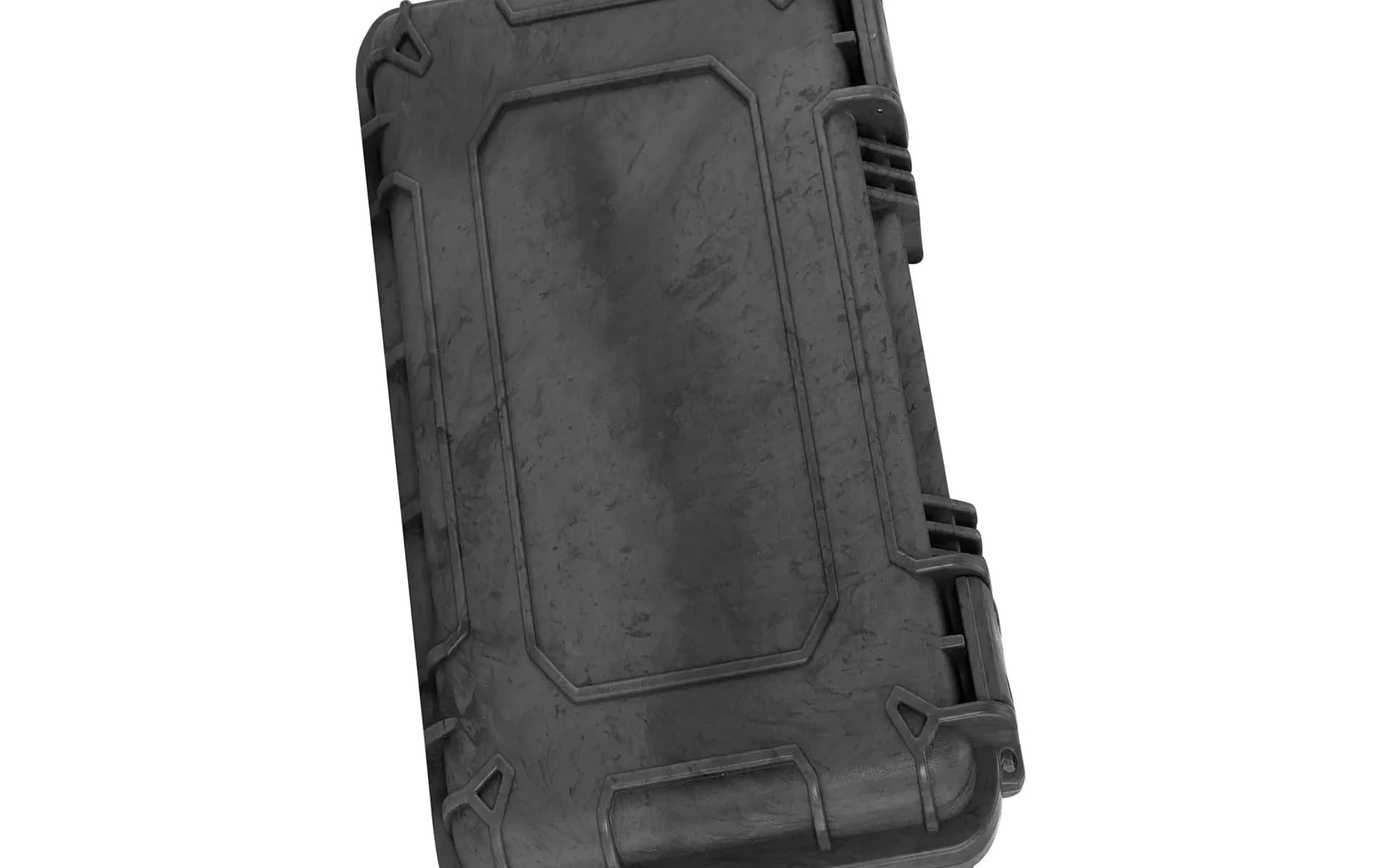
Ruggedized and IP-Rated
Enclosure Design
The enclosure is what keeps a tracker alive through water, dust, vibration, and heat. From IP67 sealing and potting to antenna windows and injection-mould DFM, the housing is designed to survive the field and ship in volume.
 THE CHALLENGE
The Enclosure Is What the Field Attacks First
A tracker can have perfect electronics and still fail in months because water crept past a seal, vibration cracked a solder joint, or heat warped the housing. The enclosure has to hold an ingress rating against dust and water jets, damp out the vibration of a vehicle or an engine, give the antenna a clear window to the sky, and still come out of an injection-mould tool at volume without trapping moisture or costing too much. The enclosure is treated as a mechanical and manufacturing problem alongside the electronics, so the sealed rating holds in production and on more than the first hand-built sample.
Built within the GPS tracking device engineering ecosystem, and frequently paired with Construction Equipment Tracking.
WHEN YOU NEED THIS
When the Environment Is Harsh
You need ruggedized enclosure design when the device is exposed to weather, washdown, vibration, or rough handling, and when the housing has to be both field-proof and ready for volume tooling.
Vehicle and Equipment Trackers
Devices mounted on trucks, construction machines, and trailers that face constant vibration, dust, temperature swings, and the occasional pressure washer.
Marine and Outdoor Assets
Trackers on vessels, fishing boats, and exposed outdoor equipment that must resist salt spray, immersion, and UV over years in the open.
Washdown and Industrial
Hardware in environments cleaned with high-pressure, high-temperature jets, where IP69K sealing is the difference between a long life and a recall.
SCOPE OF WORK
What's Included
IP Sealing Strategy
The design targets the ingress rating the application demands, whether that is IP66 against heavy water jets, IP67 for temporary immersion, or IP69K for high-pressure washdown. The sealing method follows the rating: a compression gasket and captive screws for a serviceable housing, or an ultrasonic weld for a permanently sealed one.
Potting for Vibration and Shock
For high-vibration mounts the board is potted so components and connectors are locked against the resonance that cracks solder joints over time. The potting compound is selected for thermal expansion and reworkability, with the fill designed so it does not stress the PCB or trap voids.
Thermal and Antenna Window
Heat from the modem and regulators is managed so the enclosure does not cook the electronics, and the antenna window is designed from RF-transparent material with the right wall thickness so sealing the device does not kill its GNSS and cellular performance.
Mounting and DFM
Mounting is designed for the target asset, whether that is a screw boss, a magnetic base, or a bracket rated for vehicle vibration, and the part is designed for injection moulding with proper draft, wall thickness, and gating so it tools cleanly and runs at volume.
TECHNICAL APPROACH
How It Survives
A sealed rating is only real if it survives temperature cycling, vibration, and production tolerances, so the design carries margin and the rating is proven on built parts rather than trusted to the CAD model.
Seal That Holds
The gasket groove is sized for the right compression, the pressure differential as the device heats and cools is managed with a vent membrane where needed, and the trapped condensation that ruins electronics inside a perfectly sealed box is designed out.
Material and Tolerance
Housing material is chosen for impact, UV, and temperature, and the part is designed so the seal still works across the tolerance band of a moulded part, well beyond nominal dimensions alone.
Test the Real Part
Ingress is validated with immersion and jet tests, vibration and thermal cycling are run, and the antenna window is confirmed to still pass RF after the housing is sealed, so the rating on the spec sheet is one measured on hardware.
INTEGRATION AND OUTPUTS
Ready for Tooling
The enclosure work lands as manufacturable CAD, a validated sealing approach, and a design that fits the PCB and antenna so the mechanical and electrical sides ship as one product.
Manufacturable CAD
Tooling-ready 3D models arrive with draft, wall thickness, and gasket detail worked out, so the mould tool comes back right the first time and the part runs at the cost target.
Fits the Electronics
The enclosure is designed around the actual PCB outline, connector positions, and antenna placement, so the sealed housing and the board are one coordinated design rather than two parts forced together.
FAQ
Common Questions
What IP rating does my tracker need?
It depends on the exposure. IP66 handles powerful water jets and heavy dust, IP67 adds protection against temporary immersion, and IP69K covers high-pressure, high-temperature washdown found in industrial and food-grade environments. The rating is matched to where the device lives, so you pay for the sealing you need and not more.
Gasket seal or ultrasonic weld?
A compression gasket with captive screws keeps the enclosure serviceable, so you can open it to replace a battery or service the board, at the cost of a slightly larger and more involved seal. An ultrasonic weld gives a permanent, very reliable seal in a compact housing but cannot be opened. The choice follows whether the device ever needs to be opened in the field.
When do you pot the electronics?
Potting suits devices that face sustained high vibration or shock, such as a tracker bolted to a construction machine or an engine, where unsupported components and connectors would eventually fatigue. Potting locks everything in place and adds a second moisture barrier, with the trade-off that the board can no longer be reworked, so it is reserved for the environments that truly need it.
Need an Enclosure That Survives the Field?
Share the environment, the mounting, and the volume to get a tailored ruggedized, IP-rated enclosure approach and a realistic timeline.
Schedule a Free Consultation