

Why Do Hardware Development Projects Take Longer Than Expected?
Hardware development projects often take longer than expected due to design changes, component shortages, testing failures, and communication gaps between engineering and manufacturing teams. This insight explores the common causes of project delays and practical ways to reduce rework, improve collaboration, and maintain better control over product development timelines. Discover how connected product lifecycle management can help hardware teams identify risks early and deliver products more efficiently.
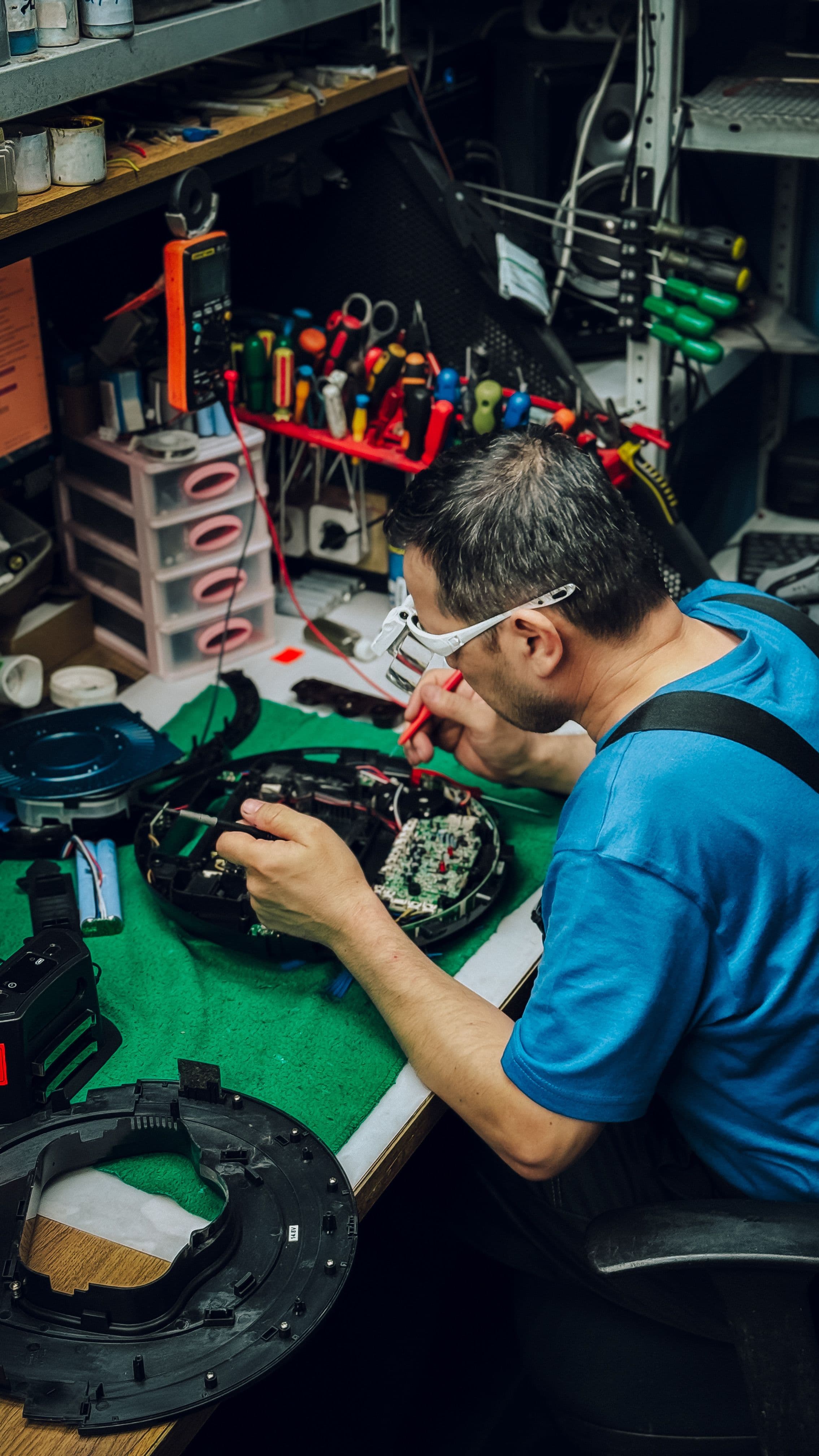
Hardware development projects rarely get delayed because of one major issue alone. In many cases, delays happen because of several small problems that build up across design, component sourcing, firmware development, testing, and manufacturing. A minor design change, an unavailable component, or a failed validation test can affect multiple teams and push the entire project timeline further than expected.
Understanding where these delays originate and how teams can prevent them is essential for delivering hardware products on time, controlling development costs, and maintaining product quality.
1. Unclear Requirements Lead to Repeated Design Changes
One of the biggest reasons hardware projects fall behind schedule is that development begins before requirements are fully defined. Teams may start designing a PCB or selecting components while performance expectations, operating conditions, cost targets, and manufacturing requirements are still evolving.
As development progresses, new requirements emerge. A change to a sensor, processor, communication interface, or power supply can affect the PCB layout, firmware, enclosure, and validation process.
For example, replacing a microcontroller late in development may require changes to the PCB footprint, firmware drivers, power design, and testing procedures. What initially appears to be a small modification can create several additional weeks of engineering work.
How to prevent it:
- Define functional and technical requirements before detailed design begins.
- Document design decisions and the reasons behind them.
- Establish a structured process for reviewing and approving changes.
- Evaluate the impact of every change on cost, schedule, firmware, testing, and manufacturing.
Clear requirements and controlled changes help teams avoid unnecessary redesigns and keep development moving in the right direction.
2. Component Availability Can Disrupt Development
Hardware development depends on physical components, and their availability is not always predictable. A component selected during the design phase may have a long lead time, become difficult to source, or reach end-of-life status before production begins.
These issues can delay prototype assembly, interrupt validation, and force engineers to identify alternative components. A replacement part may have different electrical characteristics, dimensions, pin configurations, or firmware requirements.
This means the team may need to revisit an otherwise completed design before moving forward.
How to prevent it:
- Check component availability and lifecycle status early in the design process.
- Identify suitable alternative components for critical parts.
- Maintain an accurate, up-to-date Bill of Materials (BOM).
- Coordinate sourcing decisions with engineering and procurement teams.
- Assess the design and validation impact before approving component substitutions.
Considering supply chain constraints from the beginning helps reduce the risk of discovering critical sourcing problems late in development.
3. Prototype Failures Create Unexpected Rework
A prototype that works in a controlled laboratory environment does not necessarily perform reliably under real operating conditions.
Problems may emerge during thermal testing, vibration testing, power cycling, electromagnetic compatibility testing, or integration with other systems. Firmware defects, signal integrity issues, component tolerances, and unexpected interactions between subsystems can all require additional investigation.
When a test fails, engineers must identify the root cause, implement a fix, and repeat the relevant tests. If the fix requires a PCB revision, the team may also need to fabricate and assemble another prototype.
The problem becomes more difficult when test results, design revisions, and bug reports are maintained separately. Engineers may spend valuable time reconstructing what changed between builds instead of resolving the actual issue.
How to prevent it:
- Define test plans and acceptance criteria early.
- Test individual subsystems before full integration.
- Record test results against the exact hardware and firmware versions.
- Link defects to the relevant design revisions and corrective actions.
- Validate fixes systematically before proceeding to the next development stage.
Early and traceable testing makes failures easier to investigate and reduces the likelihood of repeating the same mistakes.
4. Poor Coordination Between Engineering and Manufacturing
Hardware development is a collaborative process involving electronics engineers, firmware developers, mechanical designers, procurement teams, quality engineers, and manufacturing partners.
Delays often occur when these teams work with different information or receive updates at different times.
For example, engineering may release a revised BOM while manufacturing continues preparing a build using an earlier version. A mechanical change may not reach the PCB team in time, or manufacturing may discover that a design is difficult to assemble only after the prototype reaches the production floor.
These gaps create rework, confusion, and avoidable waiting time.
How to prevent it:
- Maintain a shared, authoritative record of product information.
- Clearly define responsibilities, approvals, and handoff points.
- Ensure manufacturing teams receive the correct released design files and BOM revisions.
- Communicate engineering changes before they affect ongoing builds.
- Review manufacturing readiness before committing to production.
When teams work from consistent information, they can identify dependencies earlier and reduce delays caused by miscommunication.
5. Testing and Certification Are Often Planned Too Late
Testing and certification are sometimes treated as final steps rather than integral parts of product development.
However, hardware products may need to meet requirements related to electromagnetic compatibility, electrical safety, radio communications, environmental performance, or industry-specific regulations.
If compliance testing begins only after the design is considered complete, failures can require changes to PCB layout, shielding, antennas, power circuits, enclosure design, or firmware. Each modification may trigger another round of testing and validation.
How to prevent it:
- Identify applicable regulatory and certification requirements at project kickoff.
- Include compliance considerations in component selection and architecture decisions.
- Conduct pre-compliance testing where appropriate.
- Plan validation activities and certification milestones within the project schedule.
- Maintain the evidence and documentation required for approval.
Planning for compliance early helps teams avoid costly late-stage changes and reduces uncertainty around launch dates.
6. Lack of Revision Control Makes Small Changes Expensive
As hardware products evolve, teams create new schematics, PCB layouts, BOMs, firmware builds, test reports, and manufacturing documents. Without structured revision control, it becomes difficult to determine which version is current and which changes have been approved.
Consider a product that has undergone three PCB revisions and several firmware updates. If a test failure occurs, engineers need to know exactly which combination of hardware and firmware was tested. Without that information, they may repeat tests, investigate the wrong version, or reach incorrect conclusions.
The same issue can affect manufacturing when outdated files are used to build units.
How to prevent it:
- Assign controlled revisions to hardware, firmware, and product documentation.
- Maintain a history of changes, approvals, and release dates.
- Connect test reports and defects to the versions they relate to.
- Ensure manufacturing uses only approved release packages.
- Track which product variants and builds are affected by each change.
Strong revision control creates a reliable history of the product and helps teams make informed decisions throughout development.
7. Poor Visibility Into Project Progress Delays Decisions
Even when individual teams are performing well, project managers may lack a clear picture of the overall development status.
A prototype may be waiting for a component, firmware integration may be blocked by a hardware issue, or validation may be incomplete because a design change has not been approved. If these dependencies are tracked across separate spreadsheets, emails, and project tools, the overall impact may not become visible until a milestone is missed.
Without timely information, teams struggle to identify bottlenecks, assign responsibility, and decide which issues need immediate attention.
How to prevent it:
- Track milestones, dependencies, open issues, and approvals in one accessible workflow.
- Identify blockers and assign clear ownership.
- Monitor changes that affect critical project milestones.
- Keep engineering, procurement, testing, and manufacturing status aligned.
- Review project risks regularly instead of waiting for missed deadlines.
Better visibility allows teams to respond to problems before they become major schedule disruptions.
How Connected Product Lifecycle Management Helps
Most hardware development delays are not caused by a single failure. They arise when design changes, sourcing issues, test results, and manufacturing dependencies are difficult to coordinate.
A connected product lifecycle management approach helps bring these activities together. Instead of managing product information across disconnected files and tools, teams can maintain a consistent record of requirements, revisions, BOMs, testing, manufacturing releases, and product history.
A platform such as S3Suite can help connect engineering, manufacturing, and operations information so teams have better visibility into product changes and their downstream impact.
This enables teams to:
- Reduce rework: Identify dependencies and assess change impacts before implementation.
- Improve collaboration: Give engineering and manufacturing teams access to consistent product information.
- Speed up troubleshooting: Connect defects and test results to the relevant hardware and firmware revisions.
- Strengthen release control: Ensure manufacturing receives approved product information.
- Improve decision-making: Identify risks and blockers before they disrupt the project schedule.
Technology alone cannot eliminate every development challenge, but structured processes supported by connected product information can make delays easier to prevent, identify, and resolve.
From Development Delays to Predictable Delivery
Hardware development requires careful coordination across multiple disciplines. Unclear requirements, component shortages, failed tests, uncontrolled revisions, and disconnected workflows can all extend development timelines.
The key is to address these risks early rather than waiting until they affect manufacturing or product launch. Clear requirements, early validation, controlled changes, and better visibility across teams help reduce avoidable rework and improve delivery predictability.
The goal is not simply to develop hardware faster. It is to make informed decisions earlier, solve problems before they spread, and move from concept to production with greater confidence.
If your team is struggling with repeated redesigns, delayed validation, or disconnected engineering and manufacturing workflows, explore how RNDSquare's S3Suite can help connect your hardware product lifecycle.