

Why Centralized Hardware File Management Is Critical for Modern Product Development
Every hardware product generates thousands of engineering files throughout its lifecycle. Schematics, PCB layouts, firmware binaries, Bills of Materials (BOMs), Gerber files, test reports, certifications, manufacturing documents, and release packages all contribute to the final product. As organizations scale their engineering teams and product portfolios, managing these files becomes increasingly challenging. Many hardware companies still rely on shared drives, local storage, cloud folders, and email attachments to manage engineering data. While these methods may work during the early stages of product development, they quickly become inefficient as projects grow in complexity. The result is scattered information, inconsistent version control, delayed collaboration, and costly manufacturing mistakes. Modern hardware teams require a centralized system that keeps every engineering asset connected, controlled, and traceable throughout the product lifecycle.
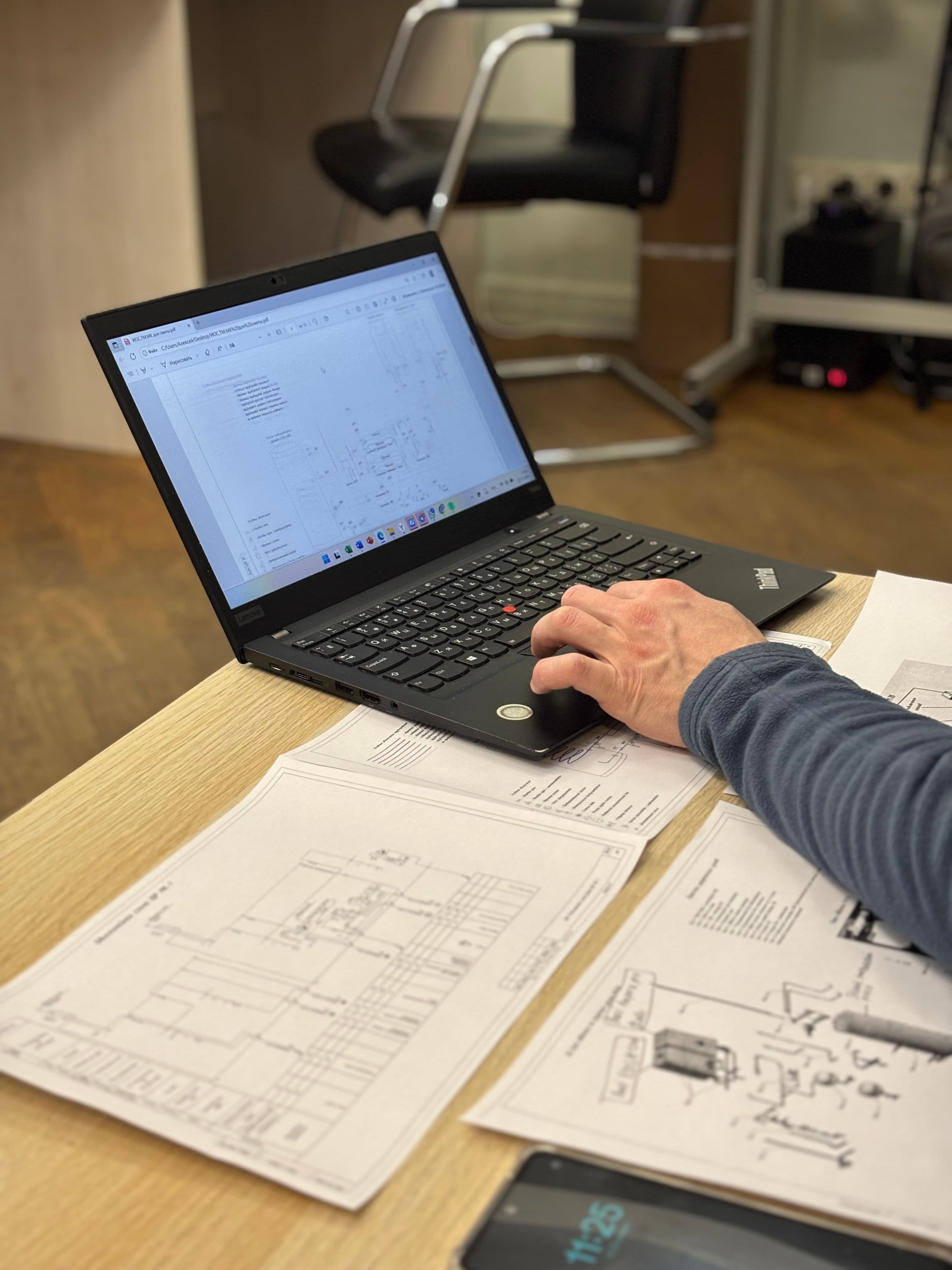
The Challenge of Disconnected Engineering Data
Unlike software projects, hardware development involves multiple disciplines working simultaneously. Electronics engineers, firmware developers, mechanical designers, testing teams, quality engineers, procurement, and manufacturing all depend on the same product data.
When files are stored across multiple locations, organizations commonly experience:
- Engineers working on outdated design revisions.
- Duplicate files with inconsistent naming conventions.
- Difficulty identifying the latest approved document.
- Time lost searching for engineering data.
- Manufacturing teams receiving incorrect production files.
- Limited traceability during audits or field failures.
- Poor visibility into the complete product history.
As product complexity increases, these issues slow development cycles and increase the risk of quality and production failures.
Why Centralization Makes a Difference
A centralized hardware file management platform establishes a single source of truth for every product.
Instead of managing files across multiple repositories, every engineering artifact is linked to its corresponding product, project, revision, and approval history. Every stakeholder from design engineers to manufacturing teams can access the same validated information without uncertainty.
Beyond storing files, centralized management creates structured engineering processes that improve collaboration, reduce manual effort, and ensure every change is documented throughout the product lifecycle. This approach also supports stronger revision control, audit readiness, and product traceability from design through deployment.
Key Benefits
Improved Collaboration
When all engineering files reside in one controlled environment, cross-functional teams can collaborate more efficiently without relying on email attachments or shared folders. Everyone works from the latest approved product information, reducing communication gaps and unnecessary rework.
Stronger Revision Control
Every design update is recorded with a complete revision history. Teams can compare revisions, understand engineering changes, and confidently release approved documentation to manufacturing without risking outdated versions.
Complete Product Traceability
Every file becomes part of the product's digital history. Design decisions, approvals, testing records, BOM changes, and manufacturing documents remain connected, simplifying compliance, root-cause analysis, and future product improvements.
Faster Engineering Execution
Engineers spend less time locating files or validating revisions and more time building products. Centralized access significantly reduces administrative effort while accelerating development timelines.
Better Manufacturing Readiness
Production teams always receive controlled and approved manufacturing packages. This minimizes build errors, prevents incorrect documentation from reaching the factory floor, and improves production quality.
Conclusion
As hardware products become increasingly connected and complex, engineering data will continue to grow across every stage of the product lifecycle. Organizations that continue relying on fragmented file management systems often face delays, reduced visibility, and unnecessary operational risks.
Implementing centralized hardware file management is no longer simply about organizing documents. It is about creating a reliable engineering foundation that supports collaboration, quality, traceability, and scalable product development. Companies that invest in structured product data management are better positioned to accelerate innovation, improve manufacturing outcomes, and confidently manage products from concept to deployment.