

Smart Energy Solutions
The global energy landscape is undergoing a massive transformation. Traditional energy systems are giving way to smart, connected, and data-driven energy solutions that prioritize efficiency, sustainability, and operational intelligence. At the heart of this shift lies the convergence of IoT, machine learning, edge computing, and cloud platforms turning energy infrastructure into intelligent, responsive ecosystems.
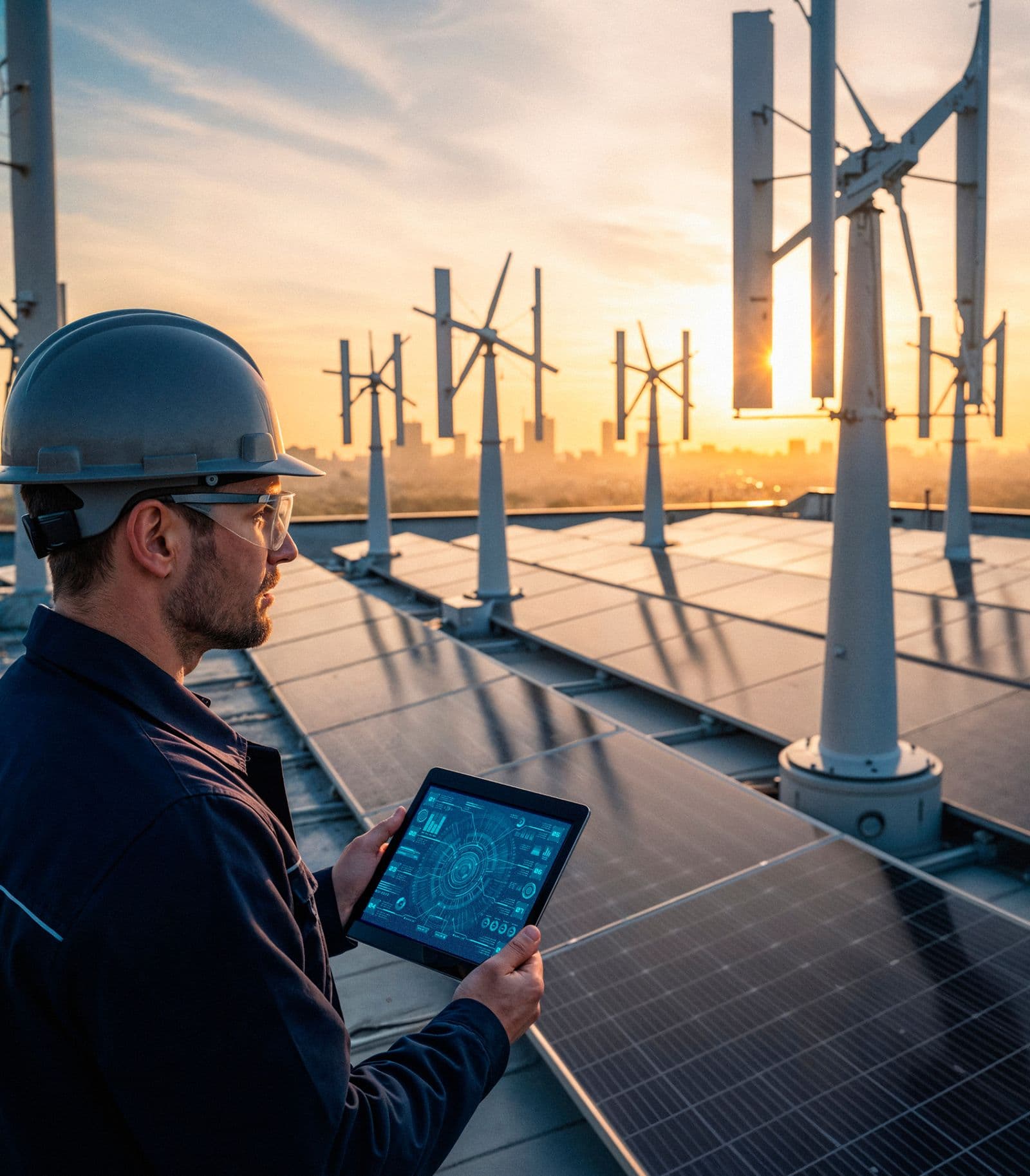
Smart energy is no longer about simply measuring consumption. It is about understanding usage patterns, predicting demand, optimizing distribution, and enabling real-time decision making across industries such as utilities, manufacturing, EV infrastructure, and commercial buildings.
The Digital Foundation of Smart Energy
Modern energy systems rely on seamless integration between hardware, connectivity, and software platforms. Sensors, meters, gateways, and controllers continuously capture operational data, while edge and cloud systems analyze this data in real time to deliver actionable insights.
Smart energy platforms are typically built on:
- Industry-standard communication protocols for interoperability
- Reliable connectivity for remote and distributed assets
- Scalable cloud architectures for analytics and control
- Secure firmware and device management for long-term operations
This digital foundation ensures energy systems are not only connected, but also resilient, future ready, and compliant with evolving standards.
Why Smart Energy Matters Today
Energy costs are rising. Sustainability targets are becoming stricter. Infrastructure is growing more complex. Smart energy solutions address these challenges by enabling:
- Real-time visibility into energy consumption
- Predictive insights to avoid failures and inefficiencies
- Automated control to balance loads and reduce wastage
- Data-backed decisions for long-term planning
Without intelligent analytics and automation, energy data remains underutilized resulting in higher costs, operational blind spots, and missed optimization opportunities.
Key Smart Energy Use Cases
Sub-Metering and Energy Visibility
Advanced sub-metering enables organizations to track energy usage at granular levels by floor, machine, department, or tenant. This visibility helps identify inefficiencies, control peak loads, and implement targeted cost-reduction strategies across commercial, industrial, and residential environments.
Energy Management Systems
Smart energy management platforms integrate with existing meters and sensors to provide centralized monitoring, analytics, and control. These systems help manufacturing plants, utilities, and data centers optimize operations, improve sustainability metrics, and meet regulatory requirements.
EV Charger Management
As EV adoption accelerates, managing charging infrastructure becomes critical. Intelligent EV charger management systems monitor usage, control charging sessions, ensure protocol compliance, and optimize energy distribution supporting both operational efficiency and user experience.
Load Balancing and Demand Response
Smart load balancing solutions dynamically distribute energy based on real-time demand. By leveraging demand response mechanisms and predictive analytics, energy systems remain stable while reducing strain on grids and renewable energy assets.
The Role of IoT, ML, and Cloud in Energy Innovation
Smart energy systems depend heavily on IoT driven data acquisition combined with machine learning based analytics. IoT devices continuously stream data related to power usage, voltage, frequency, and environmental conditions. Machine learning models analyze this data to detect anomalies, predict failures, and forecast demand.
Cloud platforms play a crucial role by:
- Enabling scalable data storage
- Supporting real-time dashboards and alerts
- Allowing remote monitoring and OTA updates
- Integrating with enterprise systems for reporting and control
Together, IoT, ML, and cloud technologies transform energy infrastructure from reactive systems into predictive and adaptive platforms.
Why RNDSquare for Smart Energy Solutions
Smart energy innovation requires deep cross-domain expertise spanning hardware, firmware, connectivity, cloud, and analytics. At RNDSquare, we approach energy solutions as end-to-end engineering systems, not isolated components.
Our strength lies in:
- Custom-built solutions tailored to real operational challenges
- End-to-end ownership, from device to dashboard
- Interoperability-first design using industry standards
- Rapid prototyping to move from concept to deployment faster
- Data-driven insights that translate energy data into action
We focus on building reliable, scalable, and future ready energy platforms that evolve with changing demands and technologies.
From Consultation to Long-Term Support
Every smart energy journey begins with understanding the problem. We work closely with clients to assess requirements, design the right architecture, and integrate seamlessly with existing systems. Beyond deployment, our teams provide continuous support to ensure systems remain optimized, secure, and scalable over time.
The Future of Energy Is Smart
The energy sector is moving toward a future where every asset is connected, every decision is data-backed, and every system is optimized in real time. Smart energy is no longer optional it is the foundation for sustainable growth, operational efficiency, and digital resilience.