

From Disconnected Data to Connected Product Intelligence: How S3Suite Helps Hardware Teams Manage the Product Lifecycle
Discover how S3Suite helps hardware teams connect BOMs, revisions, firmware, manufacturing, and field data into a single product lifecycle, improving traceability, collaboration, and decision-making.
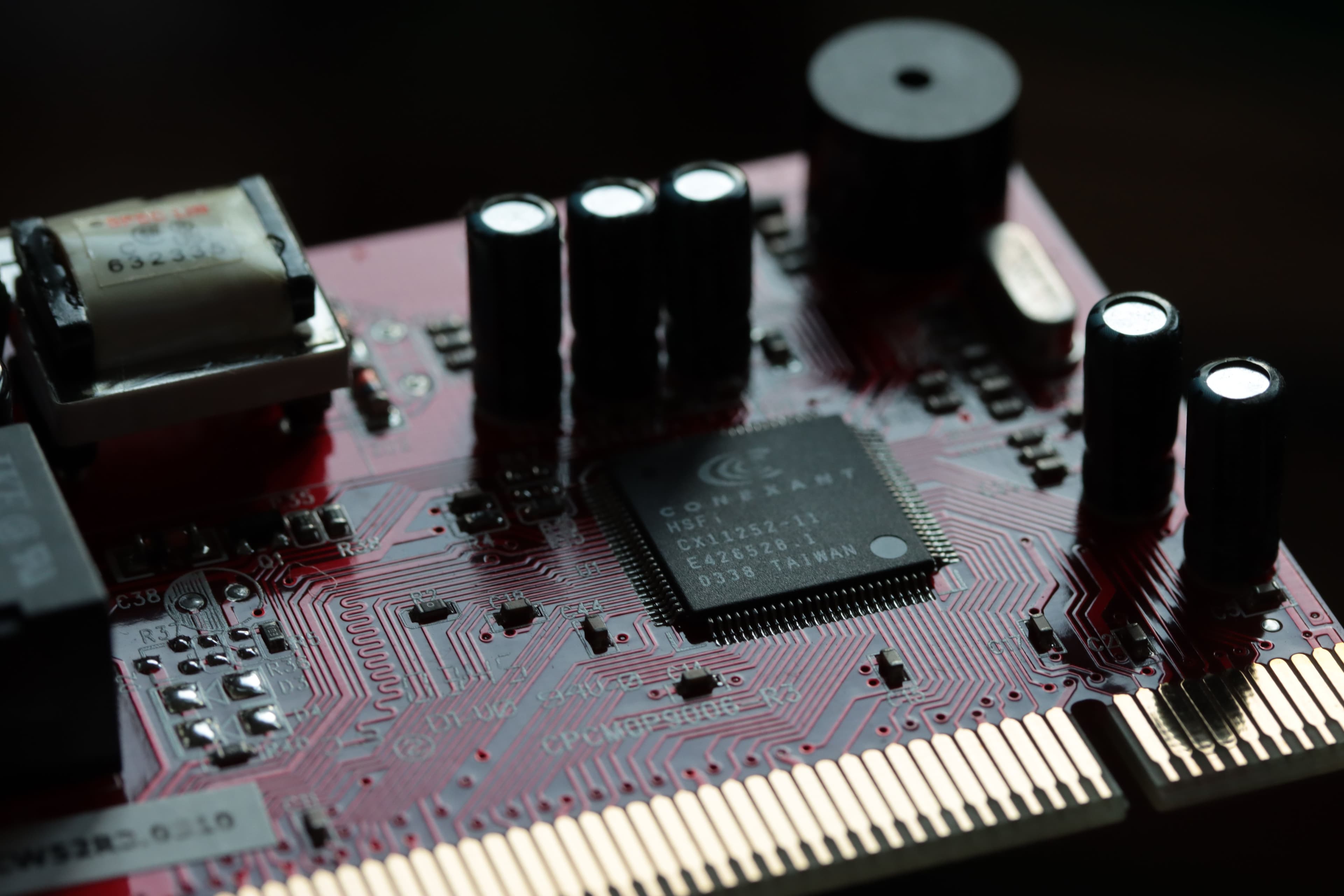
As hardware products move from design to manufacturing and eventually into the field, product information often gets scattered across spreadsheets, engineering tools, shared drives, emails, production records, and test reports.
The challenge is not always the lack of data. It is the difficulty of connecting the right information to the right product, revision, and unit.
For growing hardware teams, this can make simple questions surprisingly difficult to answer:
- Which BOM revision went into this unit?
- Which firmware version was installed?
- Which supplier or batch was used?
- What tests were performed?
- What changed between two product versions?
S3Suite helps hardware teams move from disconnected product information to a connected product lifecycle.
The Challenge With Disconnected Product Information
A hardware product can go through hundreds of changes during its lifecycle.
A component may be replaced.
A BOM may be revised.
Firmware may be updated.
A supplier may change.
Testing requirements may evolve.
Manufacturing processes may be modified.
When these changes are maintained across separate systems and files, teams can lose the connection between the product and its history.
This can result in:
- Time spent searching for information
- Confusion around the latest BOM
- Difficulty tracking revisions
- Delayed engineering investigations
- Limited production traceability
- Challenges during field failure analysis
- Increased risk of using outdated information
Moving From Documents to Product History
Instead of treating BOMs, revisions, test records, suppliers, firmware, and field issues as separate pieces of information, S3Suite connects them around the product lifecycle.
The objective is to create a clearer product history from:
Engineering → Manufacturing → Testing → Shipment → Field
This allows teams to understand not only what a product is today, but also how it evolved and what happened to a particular unit throughout its lifecycle.
Managing BOM and Revision Changes
BOM changes are a normal part of hardware development.
A resistor value may change.
A component may become obsolete.
A supplier may change.
A new revision may introduce a different component.
S3Suite provides centralized BOM management and revision control so teams can maintain structured information about parts, manufacturers, suppliers, costs, and revisions.
Instead of relying on multiple spreadsheets to determine which BOM is correct, teams can establish a controlled product structure with defined lifecycle states such as:
Draft → Reviewed → Approved → Released
This helps engineering and manufacturing teams work from a more reliable source of product information.
Connecting the Unit to Its History
One of the most important challenges in hardware traceability is understanding what went into a specific physical unit.
If a field failure occurs, teams may need to identify:
- Product or unit information
- BOM revision
- Component details
- Supplier or manufacturing batch
- Firmware version
- Test results
- Production information
- Previous service or failure records
With connected product history, teams can investigate these relationships without manually searching through multiple disconnected records.
This can significantly reduce the time required to understand what happened.
From Field Failure to Root Cause
Consider a product that fails after being deployed at a customer site.
The traditional investigation might involve engineers searching through emails, spreadsheets, production records, firmware repositories, and test reports.
The questions may take hours or sometimes days to answer.
With a connected product lifecycle, the investigation can begin with the affected unit and trace backward through its history.
Field Issue → Unit → Production → BOM Revision → Components → Supplier/Batch → Firmware → Test Records
This gives engineering and quality teams a clearer path toward identifying the potential source of the problem.
Keeping Engineering and Manufacturing Connected
Another challenge occurs when engineering changes a product but manufacturing does not have clear visibility into what changed.
A controlled product lifecycle helps maintain alignment between teams.
Engineering can manage product definitions and revisions, while manufacturing and operations can work with the appropriate released information.
This reduces the risk of:
- Manufacturing from outdated BOMs
- Using incorrect component versions
- Losing track of engineering changes
- Repeating information across teams
- Delaying production because of information gaps
Turning Product Data Into Product Intelligence
The real value of traceability is not simply storing more information.
It is being able to connect information and use it to make better decisions.
When product data is connected, teams can answer important questions faster, identify relationships between failures and product versions, understand the impact of changes, and improve future product releases.
This becomes increasingly important as companies manage multiple products, variants, revisions, suppliers, and production locations.
The Bigger Opportunity for Hardware Teams
As hardware products become more complex, spreadsheets and disconnected repositories can become difficult to scale.
A connected product lifecycle approach helps teams move from:
“Where is the information?”
to:
“What is the complete history of this product?”
And ultimately:
“What can we learn from that history to build and support better products?”
S3Suite is designed to help hardware teams connect product information across engineering, manufacturing, operations, and the field creating a more traceable and structured product lifecycle from design to deployment and beyond.