

Can You Trace Every Manufactured Unit? Why Unit-Level Traceability Matters in Hardware Manufacturing
Explores why hardware manufacturers need complete visibility into every manufactured unit, connecting component selection, BOM revisions, hardware configurations, firmware versions, production batches, testing records, and field deployment throughout the product lifecycle.
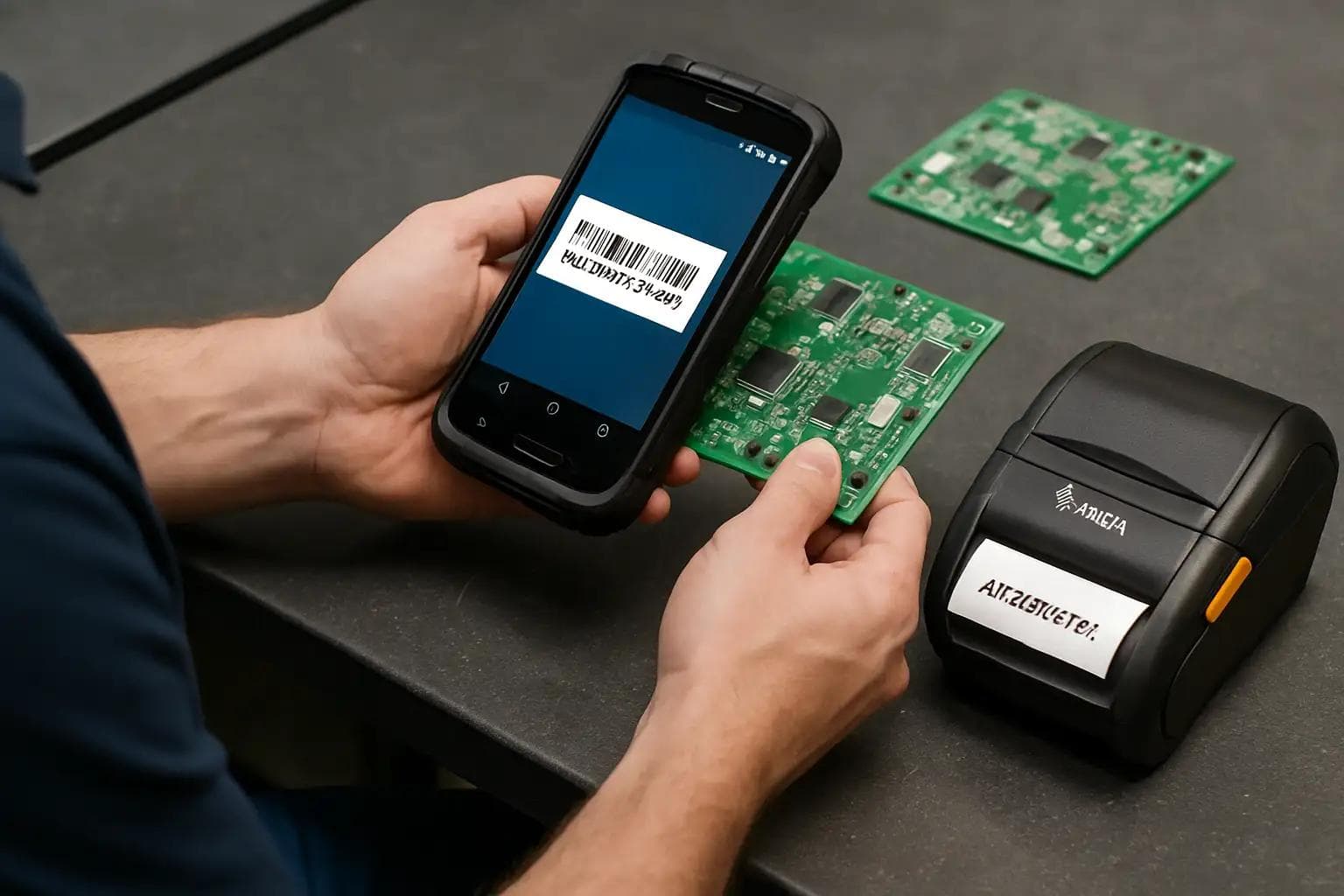
A product may pass every production test, leave the factory, and reach the customer without any issues. But what happens when that same product develops a fault six months later?
Your engineering team begins investigating. The support team reports the issue, manufacturing checks its production records, and the firmware team looks into recent updates.
Soon, a simple failure investigation turns into a search across multiple spreadsheets, BOM documents, test reports, and firmware repositories.
The questions start coming in:
- Which components were used in this particular unit?
- Was it manufactured using the latest approved BOM revision?
- Which PCB or hardware revision was used?
- Which production batch does the unit belong to?
- What firmware version and configuration were installed?
- Did the unit pass all the required manufacturing and validation tests?
- Were any component substitutions or engineering changes made during production?
- Are other units with the same configuration experiencing similar issues?
- Where are those units currently deployed?
Without a connected record of each manufactured unit, finding these answers can take hours or even days.
Why Does Unit-Level Traceability Matter?
In hardware manufacturing, two products with the same model number are not necessarily identical in their complete configuration.
A component might have been replaced between production batches due to availability issues. A PCB revision could have changed to address a design problem. Firmware might have been updated to fix a field issue or introduce new functionality.
These changes are part of normal product development and manufacturing. However, if they aren't properly connected to individual product records, teams can lose visibility into what was actually manufactured and delivered.
Consider a few common situations:
1. Component changes between production batches
A particular component becomes unavailable, and engineering approves an alternative. If the change isn't properly recorded against the affected production units, identifying which products contain the original component and which contain the replacement becomes difficult.
2. Hardware revision-related failures
A design issue is discovered in an earlier PCB revision. The engineering team needs to identify every manufactured and deployed unit using that revision to understand the potential impact and plan corrective action.
3. Firmware-related field issues
A new firmware release introduces an unexpected problem. Without knowing which units are running that version, identifying affected devices and planning corrective updates becomes complicated.
4. Production quality investigations
A manufacturing defect appears in a particular batch. The quality team needs access to component details, production records, test results, and unit identifiers to determine whether the issue is limited to a few products or affects a larger group.
5. Warranty and service investigations
A customer reports a recurring issue. The support team needs to understand the product's original configuration, manufacturing history, previous repairs, and firmware updates before recommending the next action.
In each situation, the challenge is not simply collecting more information. It is connecting the right information to the right manufactured unit.
What Does Complete Product Traceability Look Like?
A useful traceability process should provide a connected view of a product throughout its lifecycle.
For every manufactured unit, teams should be able to access:
- Product Identity: Serial number, model, and unique unit identification.
- BOM and Component History: Approved BOM revision, components used, and relevant substitutions.
- Hardware Configuration: PCB revision, hardware changes, and production configuration.
- Firmware History: Installed firmware version, configuration, and update records.
- Manufacturing Records: Production batch, assembly information, and manufacturing history.
- Testing and Validation: Test results, inspection records, and quality information.
- Deployment Information: Where the product is installed or currently in use.
- Service and Maintenance History: Reported issues, repairs, replacements, and support records.
When these details are connected, teams can move beyond tracking production quantities and start understanding the complete history of individual products.
How Can S3Suite Help?
RND Square's S3Suite helps hardware product companies connect engineering, manufacturing, and operational information through a centralized hardware product record.
Instead of treating BOMs, firmware versions, production records, and service information as separate pieces of data, S3Suite helps bring these details together around the product and its manufactured units.
With S3Suite, teams can:
- Track BOM Revisions: Maintain visibility into approved BOM versions and the components associated with them.
- Connect Components to Products: Keep component information linked to relevant product configurations and manufacturing records.
- Maintain Hardware Revision History: Understand which hardware revision is associated with a particular manufactured unit.
- Track Firmware Versions: Maintain visibility into firmware versions and their association with product configurations.
- Access Manufacturing Records: Connect production and testing information to individual units.
- Maintain Field History: Keep deployment, maintenance, support, and issue-resolution information connected to product records.
This gives engineering teams better context when investigating technical issues, helps manufacturing teams understand what was built, and enables support teams to access relevant product history when handling field failures.
Traceability Beyond the Factory
The value of traceability doesn't stop when a product passes its final inspection.
As products move into customer environments, they continue to receive firmware updates, undergo maintenance, experience component replacements, and sometimes require corrective action.
Without maintaining this history, the information collected during manufacturing gradually loses its value.
A connected product history helps teams understand not just how a unit was originally built, but also how it has changed throughout its operational life.
For hardware manufacturers managing multiple product revisions, production batches, and deployed devices, this visibility becomes increasingly important.
Because when a product fails in the field, your team shouldn't have to reconstruct its history from disconnected records. They should already know what went into it, how it was built, what changed, and where it is now.
Can your team trace every manufactured unit from its original BOM and production batch to its current firmware configuration, deployment, and service history?