 Industries
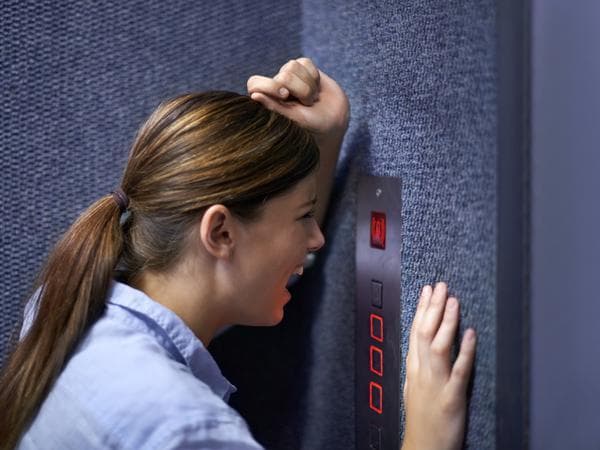
Why Did This Elevator Stop?
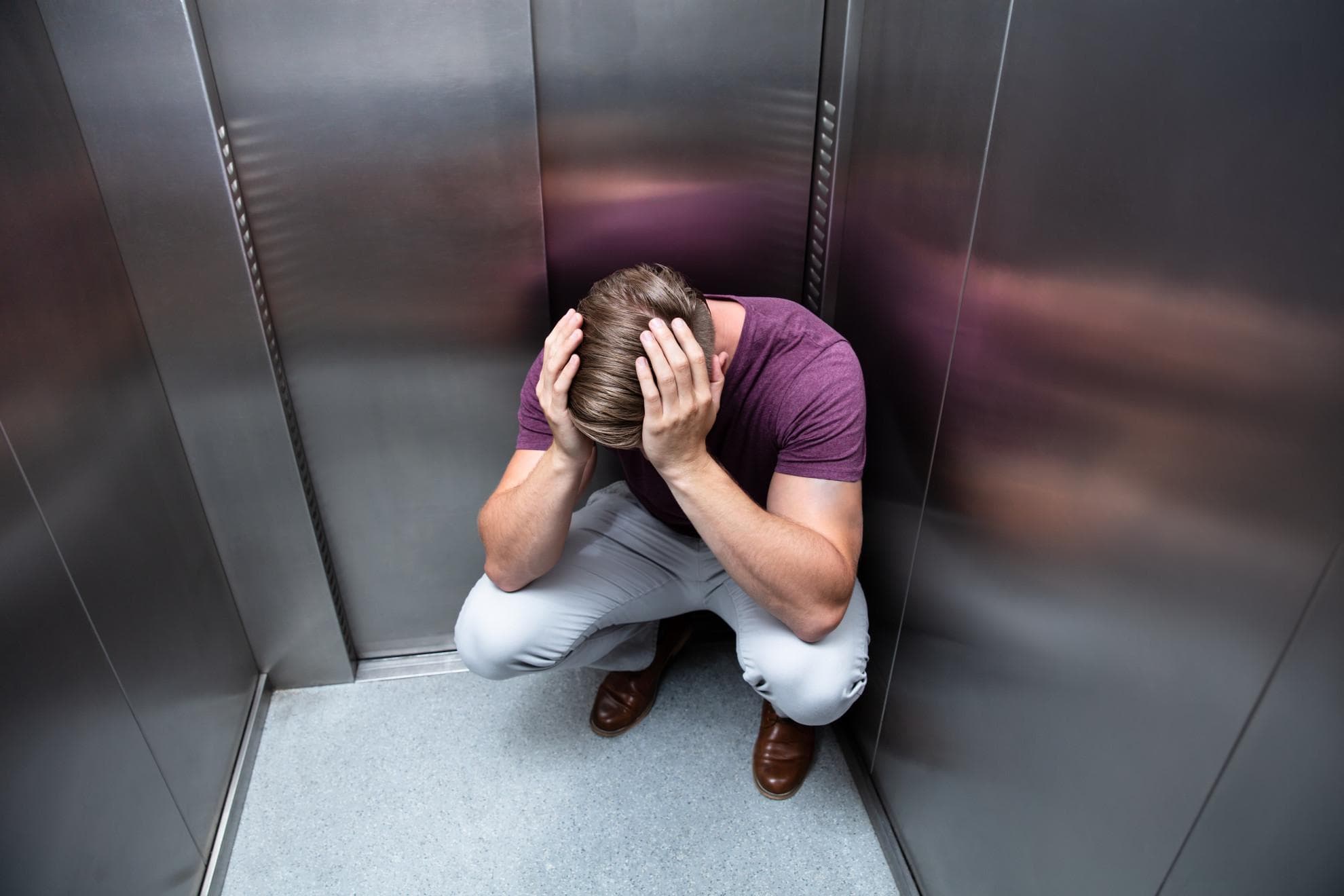
A company operating and maintaining elevators approached RND Square with a challenge their service team frequently faced: identifying why an elevator had suddenly stopped working.
Whenever a breakdown occurred, the team often depended on technician visits, manual controller inspections, and communication with people at the site to understand the reason.
Whether it was a door sensor issue, a controller fault, a motor-related problem, or an electrical interruption, identifying the actual cause could take valuable time.
The company wanted a smarter way to monitor elevator faults remotely, understand reported issues, and help technicians prepare before reaching the site.
Some of the key challenges included:
- Delayed fault identification: Technicians needed additional time to determine why an elevator had stopped.
- Limited remote visibility: The service team had no convenient way to access live fault information from connected elevators.
- Repeated troubleshooting: Technicians often had to perform multiple checks before identifying the issue.
- Service coordination gaps: Technicians did not always receive sufficient information before attending a breakdown.
- Incomplete fault history: Previous errors and corrective actions were not easily accessible for future reference.
The company needed a connected solution that could bring elevator fault information and service operations together.
After understanding the company's requirements, RND Square developed a Smart Elevator solution that connects elevator controller information with an IoT-enabled monitoring and service management platform.
The solution was designed to help the company's service team monitor elevator conditions, receive fault information remotely, and coordinate technician responses through a connected workflow.
We integrated IoT hardware, embedded firmware, controller communication, and an intelligent support platform to provide better visibility into elevator breakdowns.
Key capabilities included:
- Real-time fault monitoring: Connected elevator controllers share available fault codes and operating status with the monitoring platform.
- Remote fault visibility: Service teams can review reported faults without depending entirely on an initial physical inspection.
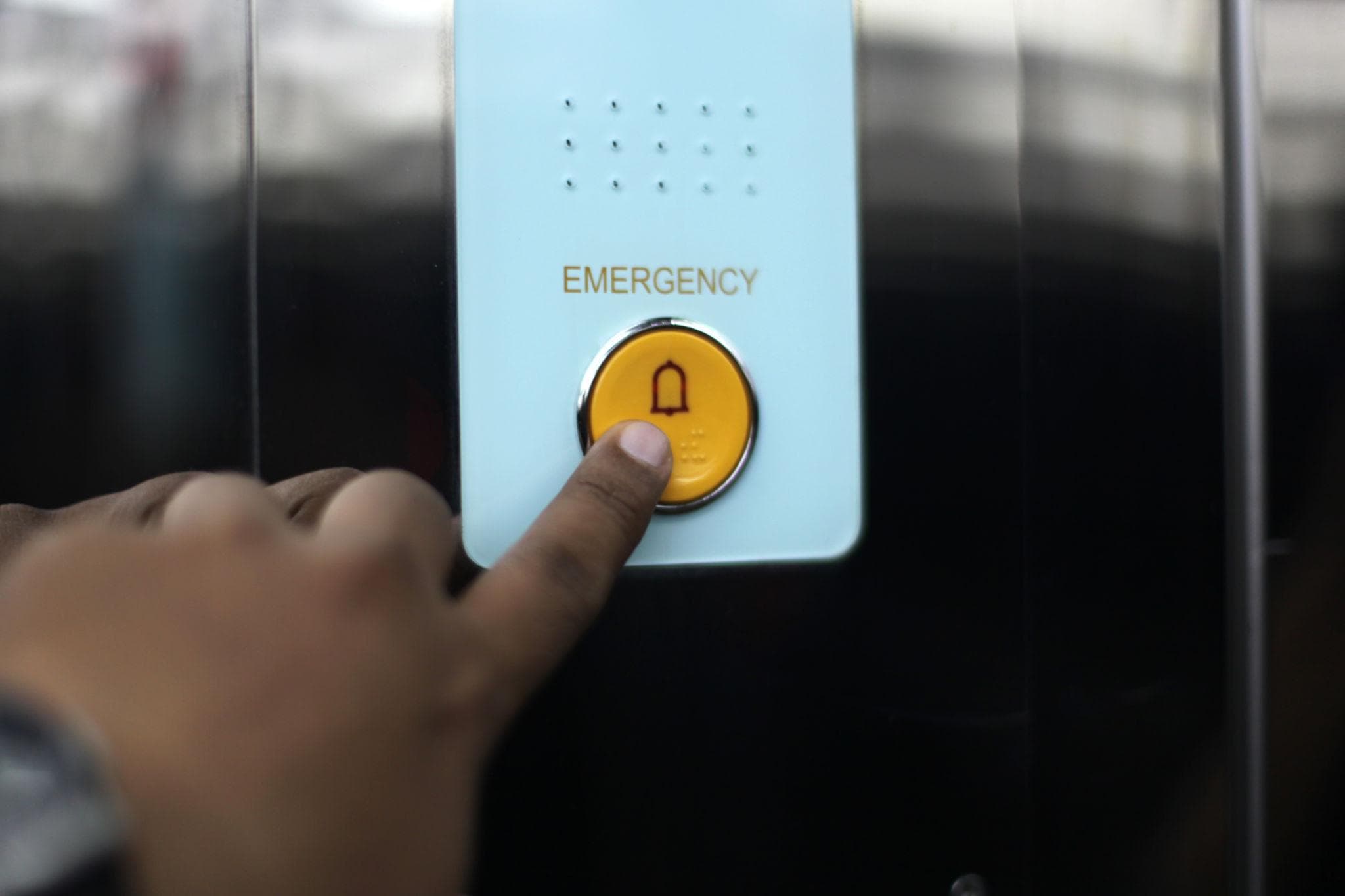
- AI-powered issue reporting: Calls, voice messages, and text reports can be handled by an AI agent, which captures the issue and creates a service ticket.
- Technician assistance: Technicians can access relevant error-code information, component details, and troubleshooting guidance.
- Automated service coordination: Fault details and ticket information can be shared with the assigned technician through mobile or WhatsApp workflows.
- Centralized service records: Breakdown reports, previous repairs, and corrective actions can be maintained in one place.
- Management dashboard: Service managers can review open tickets, recurring elevator issues, and ongoing service activities.
The solution helps connect the breakdown reporting process with actual elevator fault information, giving service teams a clearer starting point for diagnosis and response.
The project highlighted an important gap in traditional elevator maintenance: knowing that an elevator has stopped is not the same as knowing why it stopped.
By connecting controller fault information with service workflows, the company gained a more structured approach to breakdown management.
The solution provides the foundation for:
- Better fault visibility: Service teams can access available elevator fault information remotely.
- More informed technician visits: Technicians can review reported issues and relevant details before reaching the site.
- Improved service coordination: Automated ticket creation and information sharing help streamline breakdown handling.
- Connected maintenance history: Previous faults, service activities, and corrective actions can be maintained for future reference.
- Recurring issue identification: Historical fault records help service managers identify patterns across elevators.
- Centralized operations: Elevator monitoring, breakdown reporting, and service coordination can be managed through a connected platform.
For the company, the goal was to move beyond simply responding to elevator breakdowns. It was about giving the service team better information to understand problems and take the right action.
Because when an elevator stops, the most important question isn't just when it will run again. It's why it stopped in the first place.
With RND Square's Smart Elevator Solution, companies can bring elevator monitoring, fault reporting, and service operations together in one connected system.
Related RND Square services
Product work like this depends on clear handoffs across engineering teams.
When a project similar to Why Did This Elevator Stop? needs delivery support, RND Square can help connect the hardware, firmware, cloud, AI, and manufacturing work around one product roadmap.
Service fit
Vision AI Services
Useful when inspection, detection, or visual decision support becomes part of the product.
PCB, enclosure, sensors
RTOS, Linux, device logic
Dashboards, APIs, data flow
Vision, inspection, analytics
Real-time
Fault Visibility
24/7
Elevator Monitoring
AI-powered
Service Requests
Let's build the future, together.
Fullstack engineering partner: from hardware to cloud to Vision AI.
Trusted by