 Industries
Managing Remote Firmware Updates Across GPS Tracking Devices
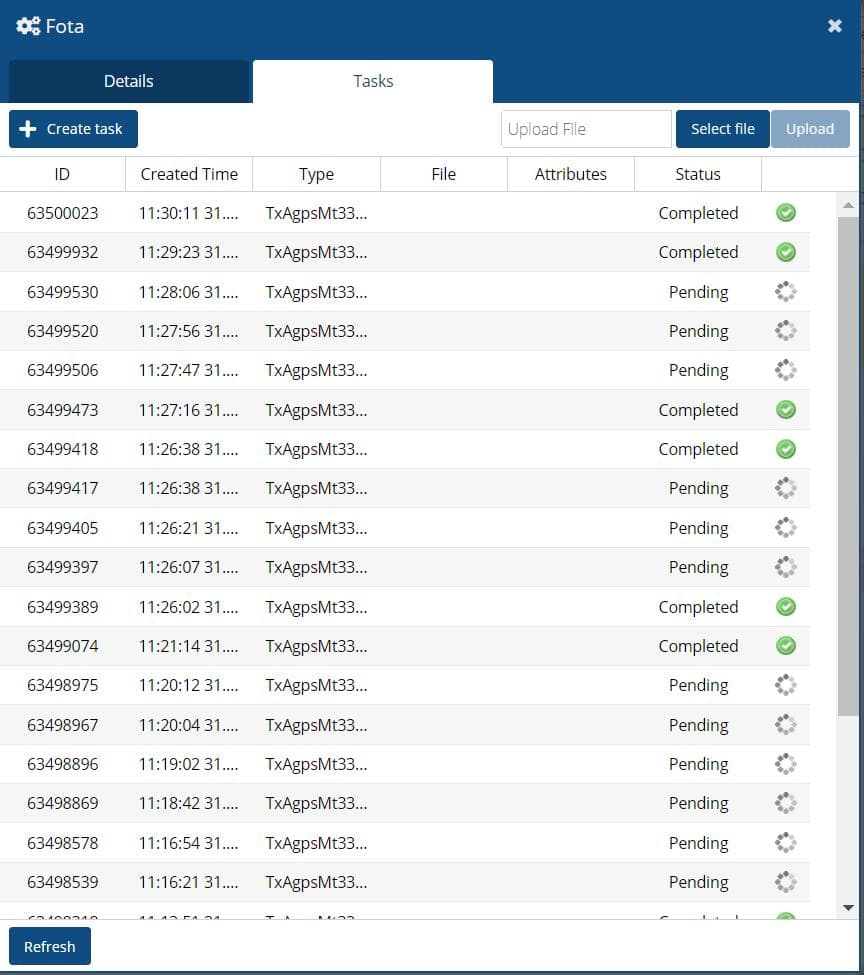
A telematics company was managing a growing fleet of GPS tracking devices deployed across different vehicles and customer locations.
As the number of devices increased, remotely updating firmware became more difficult to manage.
The team had multiple hardware variants, firmware releases, device configurations, and deployed units to keep track of. Firmware information was spread across development systems, spreadsheets, release folders, and device records.
When a new firmware version was ready, the team needed to answer several questions before releasing it:
- Which devices are compatible with the new firmware?
- Which hardware revision is each device running?
- Which firmware version is currently installed on each device?
- Which devices have already received the update?
- Which devices failed during the update?
- Can a failed update be rolled back safely?
- Which customer or vehicle is using an affected device?
- What hardware, BOM, and firmware combination was used in that device?
- Which devices should be excluded from the release?
As the number of deployed devices grew, managing these details manually increased the risk of updating the wrong devices, losing track of failed updates, or supporting devices with outdated firmware.
The challenge was not simply how to send a firmware file to a GPS tracker.
It was knowing which firmware should go to which device, why, and what happened after the update.
We helped the team connect firmware releases with the product and device information maintained in S3Suite.
The team could:
- Maintain firmware releases against specific product and hardware revisions
- Track firmware versions associated with device records
- Connect firmware releases with BOM and hardware revisions
- Identify compatible devices before an update
- Maintain a history of firmware releases and changes
- Record firmware deployment status against individual devices
- Track successful and failed update attempts
- Maintain device-level firmware history
- Connect deployed devices with their manufacturing and product records
- Trace field devices back to their hardware, BOM, firmware, and manufacturing information
Instead of treating firmware as an isolated file, the team could manage it as part of the complete product lifecycle.
A firmware update could now be understood in the context of the complete product lifecycle, connecting the hardware revision, BOM, firmware release, device, vehicle, and field history. This gave engineering and operations teams better visibility before, during, and after a firmware release, helping them understand which devices were affected, what firmware they were running, and how each update related to the underlying hardware and product configuration.
The company gained better control over firmware and device history across its deployed telematics products.
They were able to:
- Improve visibility into firmware versions across deployed devices
- Identify devices associated with specific hardware revisions
- Reduce manual effort in determining firmware compatibility
- Maintain a clear history of firmware releases
- Improve traceability between hardware and firmware
- Track firmware deployment status at the device level
- Identify affected devices when firmware or hardware changes were introduced
- Reduce the risk of deploying incompatible firmware
- Give engineering and field teams a shared view of device history
The key change was moving from:
“We have a new firmware file. Which devices should receive it?”
to:
“We know which devices are compatible, what they are currently running, what was released, and what changed.”
For telematics companies, remote firmware updates are not only an OTA or FOTA problem.
They are a product traceability problem.
When thousands of GPS trackers are deployed in the field, firmware needs to stay connected to the hardware revision, BOM, manufacturing history, device identity, and field record.
That is where a connected product engineering system becomes valuable.
Related RND Square services
Product work like this depends on clear handoffs across engineering teams.
When a project similar to Managing Remote Firmware Updates Across GPS Tracking Devices needs delivery support, RND Square can help connect the hardware, firmware, cloud, AI, and manufacturing work around one product roadmap.
Service fit
EV Charging Services
Useful when charger firmware, operations tools, or field workflows shape the deployment.
PCB, enclosure, sensors
RTOS, Linux, device logic
Dashboards, APIs, data flow
Vision, inspection, analytics

100%
Firmware Release History Visibility
5+
Connected Product Data Areas
80%
Improvement in Firmware & Revision Visibility
Let's build the future, together.
Fullstack engineering partner: from hardware to cloud to Vision AI.
Trusted by