

 Industries
From Fault Detection to Resolution: Connecting the Entire Elevator Service Process
An elevator company was managing multiple elevator installations across different buildings and customer locations.
When an elevator developed a fault, the service process involved several disconnected activities. Fault information came from elevator controllers, customer complaints were received through phone calls or WhatsApp, service teams manually created tickets, and technicians were assigned separately.
Although the company could identify when an elevator stopped working, managing the complete process from fault detection to resolution remained challenging.
The team needed answers to several important questions:
- Which elevators are currently experiencing faults?
- What error code or condition triggered the fault?
- Is the issue critical or can it be scheduled for maintenance?
- Has a service ticket been created for the reported fault?
- Which technician has been assigned to resolve it?
- Does the technician have access to the fault history and troubleshooting information?
- Has the issue been resolved and verified?
- Are similar faults occurring repeatedly across installations?
- Which elevators require immediate attention?
As the number of installed elevators increased, managing these activities manually made it difficult to maintain visibility across service operations.
The challenge was not simply detecting an elevator fault.
It was ensuring that every detected fault could be tracked, assigned, diagnosed, resolved, and recorded without losing information between teams.
We helped connect elevator monitoring, IoT hardware, embedded firmware, and service management workflows into a unified smart elevator solution.
The solution connected elevator controllers with an IoT monitoring system and an operations platform, allowing the company to manage the complete service lifecycle.
The team could:
- Monitor elevator operating conditions through connected IoT hardware.
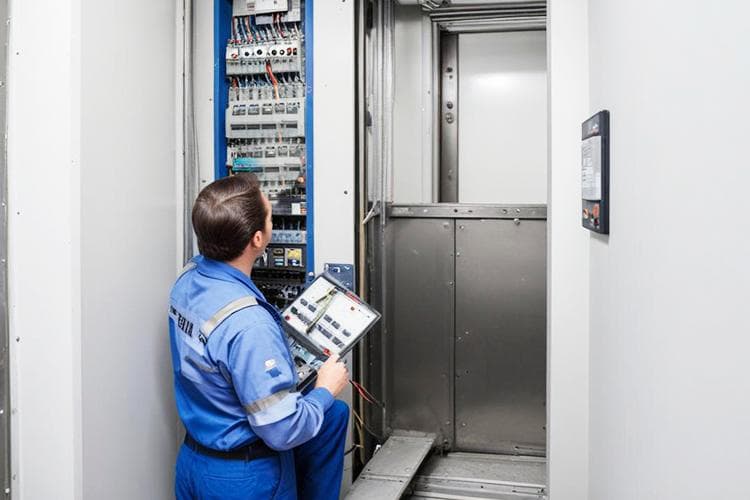
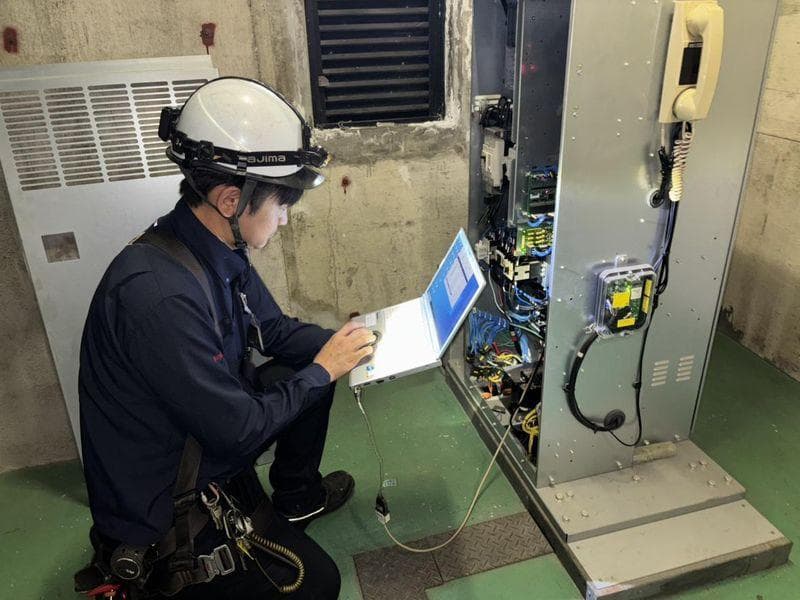
- Capture fault codes and operating parameters from elevator controllers.
- Track important information such as floor position, door status, and motor conditions.
- Automatically create service tickets when critical faults were detected.
- Prioritize emergency incidents, including elevator entrapment.
- Notify service teams and assign technicians based on the reported issue.
- Provide technicians with fault codes, equipment information, and troubleshooting guidance.
- Allow technicians to update service status and record resolution details.
- Maintain historical fault and maintenance records for individual elevators.
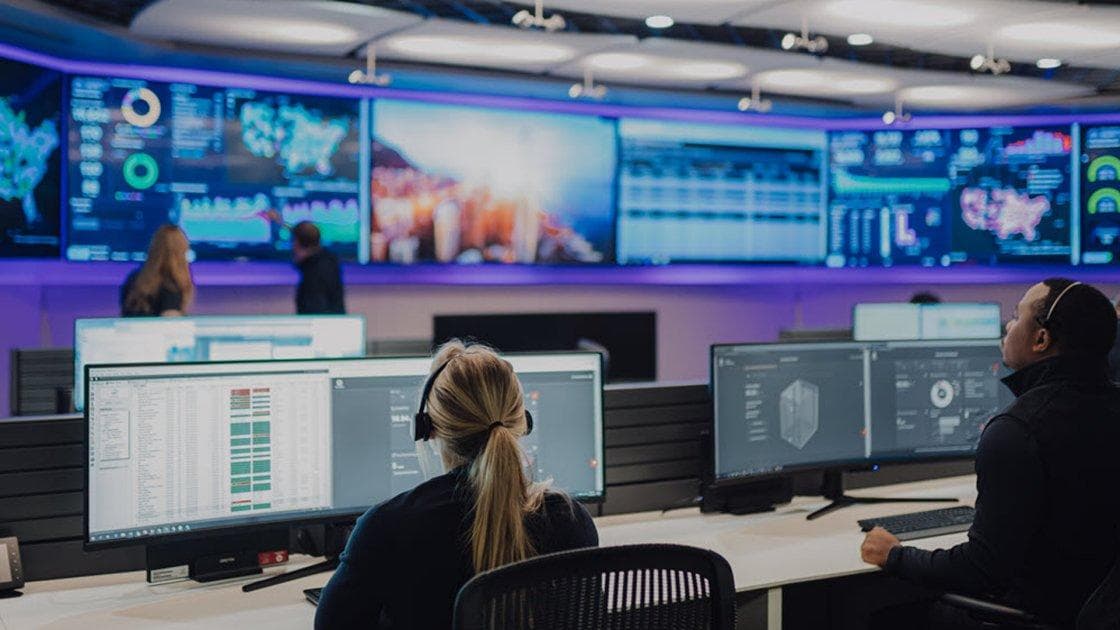
- Monitor open tickets, recurring failures, and pending maintenance activities through centralized dashboards.
We also integrated AI-powered communication capabilities to help service teams handle customer complaints and operational requests through voice and WhatsApp interactions.
Instead of treating fault monitoring, customer communication, technician assignment, and maintenance records as separate activities, the solution connected them through one operational workflow.
A fault detected by the elevator controller could now initiate a service workflow, giving the operations team visibility into what happened, who was responsible, and whether the issue had been resolved.
The connected elevator solution provided better visibility across monitoring and service operations.
The company could:
- Improve visibility into elevator faults across multiple installations.
- Reduce manual effort in creating and assigning service tickets.
- Prioritize critical faults and emergency incidents.
- Give technicians access to relevant fault information before visiting a site.
- Maintain a centralized history of breakdowns and service activities.
- Identify recurring faults and maintenance requirements.
- Track service progress from initial fault detection to final resolution.
- Improve coordination between customers, technicians, and operations teams.
- Make better-informed maintenance decisions using historical fault information.
The key change was moving from:
"We know an elevator has stopped. Someone needs to check it."
to:
"We know which elevator has a fault, what triggered it, who is handling it, and whether the issue has been resolved."
For elevator manufacturers and service companies, smart monitoring is only one part of improving elevator operations.
The real value comes from connecting fault detection with service execution, technician coordination, maintenance history, and operational visibility.
That is where an integrated smart elevator solution becomes valuable.
Related RND Square services
Product work like this depends on clear handoffs across engineering teams.
When a project similar to From Fault Detection to Resolution: Connecting the Entire Elevator Service Process needs delivery support, RND Square can help connect the hardware, firmware, cloud, AI, and manufacturing work around one product roadmap.
Service fit
IoT Application Services
Useful when device data, cloud workflows, and operational visibility need to work together.
PCB, enclosure, sensors
RTOS, Linux, device logic
Dashboards, APIs, data flow
Vision, inspection, analytics
100%
Fault Visibility
24/7
Remote Monitoring
End-to-End
Service Workflow Automation
Let's build the future, together.
Fullstack engineering partner: from hardware to cloud to Vision AI.
Trusted by


