

Pet GPS
Tracking Device
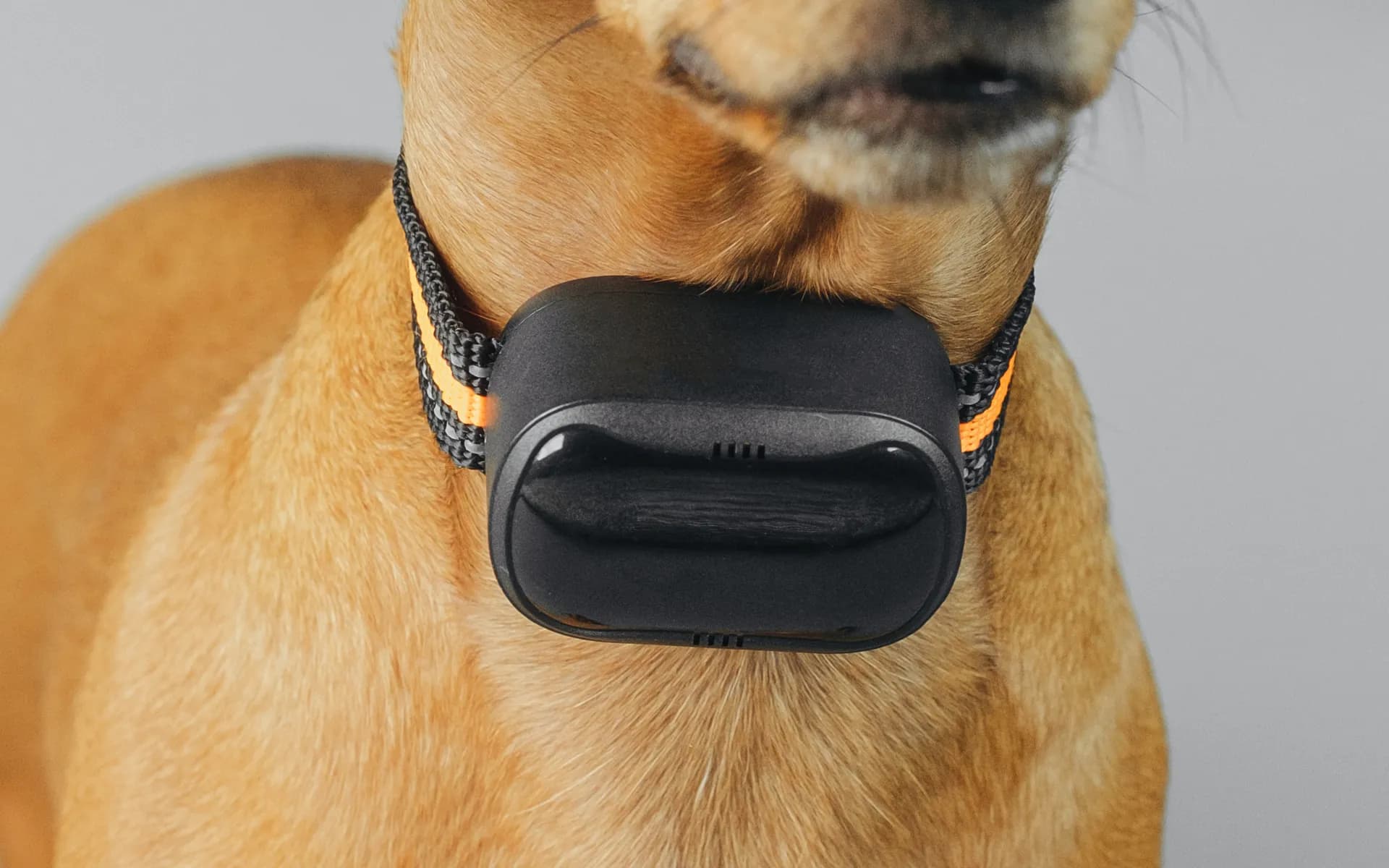
Pet GPS trackers small enough to sit on a collar and light enough that the animal forgets it is there. Tiny low-power hardware, activity monitoring, safe-zone geofencing, and long battery life, with a consumer app that owners actually enjoy using.
 THE CHALLENGE
Size and Battery Are the Whole Engineering Problem
A pet tracker fails the moment it is too heavy for the collar or needs charging every night. The hard part is fitting GNSS, cellular, a sensor, and a battery into something a small dog or cat can wear comfortably, then making it run for days. Everything else, the geofence, the activity stats, the app, is straightforward once the hardware and power budget are right. The device is engineered from the power budget outward so the product is light, lasts, and still tracks well.
Sits inside the Telematics and GPS Tracking stack and shares hardware and platform building blocks with People Tracking Solutions.
WHAT'S INCLUDED
A Tracker the Animal Can Wear and the Owner Can Trust
Tiny Low-Power Hardware
A low-power MCU pairs with a compact GNSS and cellular module such as the Quectel BG95, laid out on a small PCB in Altium to keep the device light enough for a collar without crowding out the battery.
Long Battery Life
The power budget is built around adaptive reporting. The device reports rarely when the pet is home and inside its safe zone, and only ramps up GNSS and reporting when it moves outside, which is what turns hours of battery into days.
Activity Monitoring
An accelerometer tracks movement, rest, and active time, giving owners a simple daily activity picture of their pet alongside its location.
Safe-Zone Geofencing
Owners can draw a safe zone around the home or yard. While the pet stays inside, the device stays quiet and saves power. Crossing the boundary triggers an immediate alert and switches the device to live tracking.
Lightweight Collar Design
The enclosure is small, splash-resistant, and comfortable, attaching to a standard collar without adding awkward bulk or sharp edges.
Consumer App and Backend
The owner app shows live location, recent routes, activity, and battery, backed by a platform that manages devices, geofences, and alerts at consumer scale.
WHAT THE OWNER SEES
Quiet When Home, Live When It Matters
The app is shaped around how owners actually use a pet tracker. Most days they glance at activity and move on. The product earns its place on the moment a pet gets out, when location has to be live and accurate fast.
Live Find Mode
If the pet leaves its safe zone, the owner taps into a live mode that updates location frequently, helping them walk straight to the animal instead of guessing.
Activity Picture
The app shows daily active time, rest, and movement trends, so owners get a simple sense of their pet routine and health alongside location.
Safe-Zone Alerts
Owners set the home or yard boundary once, and the app notifies them the instant the pet crosses it, without flooding them with noise while the pet is settled.
HOW IT WORKS
Collar to App
On the Collar
A low-power MCU runs the activity sensing and power logic. A Quectel BG95 handles GNSS and Cat-M1 or NB-IoT connectivity, with BLE used near the home base to confirm the pet is in range without waking GNSS.
Over the Network
Position and activity travel over a TLS channel to the platform. The device sends sparingly inside the safe zone and switches to frequent live updates the moment a geofence breach is detected.
In the App
The backend evaluates the safe zone, rolls up activity stats, and pushes alerts. The consumer app shows live location, routes, activity, and battery, and lets owners manage devices and zones.
POWER AND DURABILITY
Engineered Around the Battery
A pet tracker stands or falls on weight and battery life. Hardware, power management, and enclosure are engineered together so the device is light, durable, and lasts days between charges.
Adaptive Power Management
NB-IoT or Cat-M1, BLE home detection, and event-driven GNSS combine so the device sips power at home and only spends it when the pet is out.
Light and Splash-Proof
A compact, splash-resistant enclosure survives rain, mud, and a pet rolling around, while staying light enough for daily wear.
Consumer-Scale Backend
The backend handles many low-power devices reporting in bursts, with the cost and reliability profile a consumer product needs.
FAQ
Common Questions
How small and light can the tracker be?
The design centers on a compact GNSS and cellular module such as the Quectel BG95, with the PCB laid out in Altium to minimise size. The practical limit is the battery, since size and battery life trade against each other. Device size is matched to your target pet, from larger dogs down to cats, and the power budget is tuned to match.
How long does the battery last?
Adaptive reporting is what stretches battery life to days between charges. The device stays quiet and low-power while the pet is inside its safe zone and only ramps up GNSS and reporting when the pet moves outside. Exact life depends on how often the pet leaves the safe zone.
How does the safe zone help save power?
While the pet is inside the safe zone, BLE home detection and infrequent reporting replace constant GNSS, which is the main power drain. Crossing the boundary triggers an alert and switches the device into live tracking, so power is spent only when it is actually needed.
What activity data does it track?
An onboard accelerometer records movement, rest, and active time. The app turns that into a simple daily activity picture, giving owners a sense of their pet routine alongside location.
Does it need a separate SIM and data plan?
The device uses cellular connectivity, so it needs a data path. Connectivity is built in, with an embedded SIM or eSIM and a suitable IoT data plan, so the owner experience is a single app rather than managing a SIM separately.
Are the device and the app delivered together?
Yes. The collar hardware, the firmware and power management, the backend, and the consumer app are designed as one product, which is the only way to hit the weight, battery, and tracking targets at the same time.
Ready to Build Your Pet Tracker?
Share the target pet size, the battery life you want, and the app experience you have in mind to get a tailored approach and a realistic timeline.
Schedule a Free Consultation