

When Elevator Maintenance Schedules Fail: The Operational Impact
Explore how missed elevator maintenance schedules can lead to unexpected breakdowns, recurring faults, and service delays, and how connected monitoring and automated workflows help improve maintenance operations.
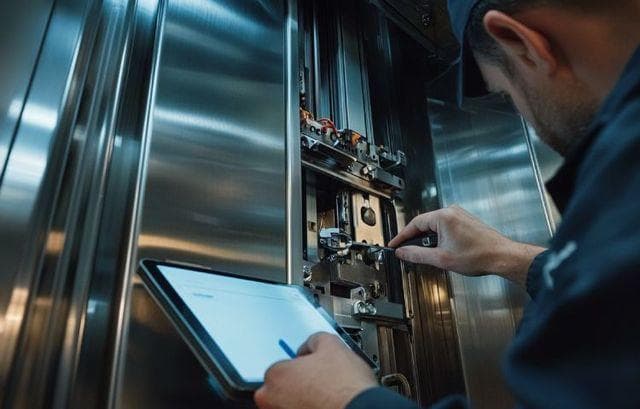
An elevator was serviced last week. The maintenance record is updated, the technician has completed the inspection, and the next service visit is scheduled for the following month.
Everything looks fine.
But three days later, the elevator starts generating intermittent door errors. A few days after that, it stops operating.
The maintenance team receives a complaint, assigns a technician, and begins investigating the issue.
The question is: Could this problem have been identified earlier?
For elevator service companies, this is one of the biggest challenges with traditional maintenance management. A completed maintenance visit does not guarantee that an elevator will continue operating without issues until the next scheduled inspection.
The real challenge lies in what happens between two maintenance visits.
A Maintenance Calendar Cannot Tell the Whole Story
Most elevator maintenance operations depend on scheduled inspections, service reports, and customer complaints.
These processes are important, but they provide only part of the picture.
An elevator can experience several warning signs between scheduled visits:
- Repeated door opening and closing errors.
- Intermittent controller faults.
- Unusual motor operating conditions.
- Communication failures between connected components.
- Recurring faults that temporarily disappear after a reset.
When these events are not captured and reviewed together, maintenance teams may miss patterns that indicate a developing problem.
Instead of identifying the underlying cause, technicians may end up responding to individual complaints.
What Does a Missed Maintenance Activity Actually Cost?
The impact is not limited to an elevator breakdown.
1. More emergency service calls
Issues that could have been identified earlier may eventually result in unexpected operational interruptions.
2. Repeated technician visits
When technicians do not have access to previous fault information, they may spend additional time diagnosing recurring problems.
3. Poor service coordination
Without a centralized view of maintenance schedules and open service requests, managers may struggle to prioritize technicians and allocate resources.
4. Incomplete equipment history
When service reports, fault records, and maintenance activities are maintained separately, understanding the complete history of an elevator becomes difficult.
5. Reduced customer confidence
Repeated breakdowns and delayed service responses can affect customer satisfaction and confidence in the maintenance provider.
The Missing Connection: Scheduled Maintenance and Real-Time Monitoring
Consider two elevator installations.
Both have their next maintenance visit scheduled for the same date.
However, one elevator is operating normally, while the other has generated repeated door-related faults over the past few days.
Should both receive the same maintenance priority?
This is where connected elevator monitoring becomes valuable.
By connecting elevator controllers with IoT monitoring systems, service teams can access operational information beyond scheduled inspection reports.
What to monitor
- Elevator fault codes
- Door status
- Motor parameters
- Maintenance history
- Open service tickets
- Last and next service dates
Why it matters
- Identify abnormal operating conditions
- Track recurring door-related issues
- Observe relevant operating conditions
- Understand previous service activities
- Track unresolved issues
- Identify overdue maintenance
The goal is not to replace scheduled maintenance with remote monitoring. It is to make maintenance decisions more informed.
What Does a Connected Maintenance Workflow Look Like?
Imagine an elevator generates a recurring fault.
Instead of waiting for a customer complaint:
- Fault detected: The connected controller sends the relevant fault information to the monitoring platform.
- Service ticket created: A configured fault event triggers a service request.
- Priority assigned: The operations team can prioritize the issue based on its severity.
- Technician notified: The assigned technician receives the relevant equipment and fault information.
- Issue diagnosed: Previous fault records and available troubleshooting information help the technician investigate.
- Resolution recorded: The service team updates the ticket with the repair details and closes the service request.
The entire process becomes connected, from identifying an issue to recording its resolution.
Maintenance Should Be Based on More Than Dates
A maintenance calendar tells you when the next inspection is due.
Operational data tells you what has been happening since the previous inspection.
For elevator manufacturers and service providers, bringing these two sources together can improve maintenance visibility, technician coordination, and fault management.
At RNDSquare, we combine IoT hardware, embedded firmware, remote monitoring, cloud applications, and AI-powered service workflows to help elevator companies build connected service operations.
Because an elevator does not wait for its next scheduled maintenance visit to develop a problem. Should your service team wait until then to know about it?