

Product Traceability: The Missing Link in Hardware Product Lifecycle Management
Hardware product traceability connects manufacturing, firmware, deployment, and service data into one unified lifecycle view, reducing operational gaps and enabling faster, smarter product management at scale.
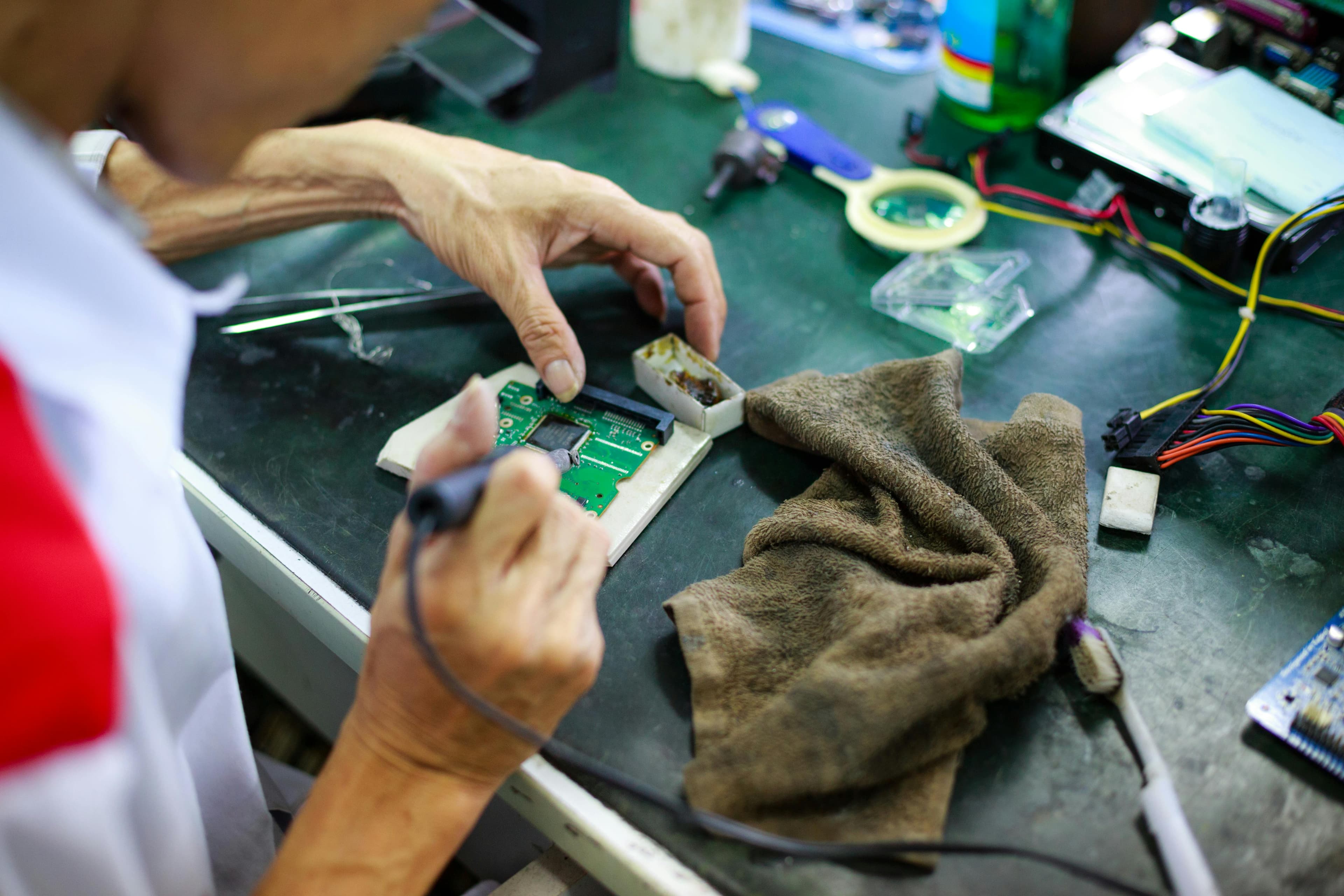
Most hardware companies invest heavily in building products.Engineering teams refine the electronics, firmware evolves rapidly, manufacturing scales, and products finally reach customers.
But the real operational challenge often begins after deployment.
As products move through manufacturing, shipping, field deployment, firmware updates, servicing, and returns, critical product information becomes fragmented across teams and systems.
- Serial numbers get tracked in spreadsheets.
- Firmware histories are scattered across folders and emails.
- Service teams struggle to identify deployed configurations.
- RMA investigations take longer because product history is incomplete.
This is where product traceability becomes critical.
The challenge is no longer just building hardware products. The challenge is maintaining visibility across the entire lifecycle of every deployed unit.
Why Product Traceability Matters
Modern hardware products are no longer static devices.
They continuously evolve through:
- Firmware updates
- Manufacturing revisions
- Field servicing
- Device replacements
- Customer-specific configurations
- Operational diagnostics
Without a centralized traceability system, organizations often face:
- Delayed root-cause analysis
- Longer RMA cycles
- Firmware mismatch confusion
- Incomplete deployment visibility
- Poor service coordination
- Difficulty tracking product lineage
As hardware ecosystems grow, these gaps become operational bottlenecks.
The Shift from Product Tracking to Lifecycle Intelligence
Traditional systems usually track only a portion of the lifecycle.
ERP systems focus on inventory. PLM systems focus on engineering. Service records remain isolated. Manufacturing logs exist separately from field operations.
What organizations truly need is lifecycle continuity.
Every product should carry a connected operational history:
- When it was manufactured
- Which firmware version it shipped with
- Which customer or site it was deployed to
- What updates were applied
- What service events occurred
- Whether the unit was repaired or replaced
This creates a single operational view across engineering, manufacturing, deployment, and support.
Traceability Beyond Compliance
Many companies approach traceability only from a compliance perspective.
But modern product traceability delivers much larger operational value.
It enables teams to:
- Investigate failures faster
- Reduce service delays
- Improve firmware accountability
- Simplify warranty management
- Improve customer support responsiveness
- Maintain deployment-level visibility
Most importantly, it reduces dependency on disconnected manual processes.
How S3Suite Approaches Product Traceability
S3Suite approaches traceability as part of a connected product lifecycle system.
Instead of managing isolated records across multiple tools, the platform connects:
- Product identity
- Serial number history
- Firmware lineage
- Manufacturing records
- Service events
- Deployment data
- Operational lifecycle activities
This creates a continuous digital history for every product unit across its operational journey.
Rather than treating traceability as a reporting feature, S3Suite positions it as an operational foundation for scaling and sustaining hardware products.
Building Sustainable Hardware Operations
As hardware products become smarter, more connected, and more distributed, lifecycle visibility becomes increasingly important.
The organizations that scale successfully are not just the ones building better products.
They are the ones that can:
- Trace products efficiently
- Manage lifecycle changes
- Maintain operational continuity
- Support deployed products at scale
Product traceability is no longer optional operational documentation.
It is becoming a core infrastructure layer for modern hardware businesses.
For connected products, operational visibility across the lifecycle is what ultimately enables organizations to shape, scale, and sustain products successfully.