

Does Your Technician Have Access to the Complete History Before Working on the Elevator?
Discover how complete elevator service history helps technicians identify recurring faults, review previous repairs, and make informed troubleshooting decisions, reducing delays and improving maintenance efficiency.
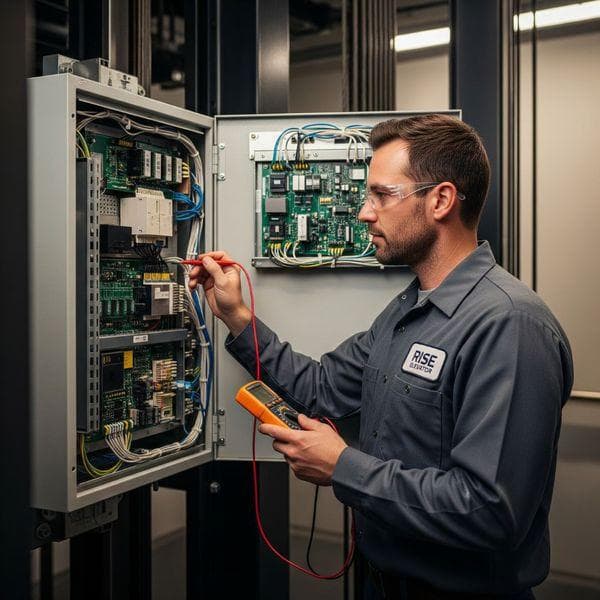
Does Your Technician Have Access to the Complete History Before Working on the Elevator?
When an elevator breaks down, the technician arriving at the site needs more than the reported fault. They need to understand what happened during previous visits, which components were replaced, what troubleshooting steps were attempted, and whether the same problem has occurred before.
However, in many elevator service operations, this information is scattered across paper logbooks, spreadsheets, service reports, WhatsApp messages, and separate maintenance systems. Even when the records exist, retrieving the right information at the right time can be difficult.
Without access to complete service history, technicians may repeat diagnostic steps, overlook recurring faults, or arrive without the information needed to prepare for a repair. This can make troubleshooting less efficient and complicate coordination between field technicians and service managers.
The question is not whether your team records maintenance activities. It is whether the technician can access the relevant history before starting the job.
Why Complete Elevator Service History Matters
1. Previous Faults Can Reveal Recurring Problems
An elevator that stops unexpectedly today may have experienced similar faults during previous service visits. Without access to earlier complaints, diagnostic findings, and corrective actions, technicians may treat each breakdown as an isolated incident.
Reviewing previous fault records can help technicians recognize patterns and investigate whether a recurring problem has been properly resolved.
What teams should do: Maintain a chronological fault history for each elevator, including reported symptoms, identified causes, corrective actions, and the outcome of each visit.
2. Component Replacement History Helps Guide Diagnosis
Knowing which components were previously replaced or repaired can provide useful context during troubleshooting. For example, a recurring door fault may require reviewing earlier sensor replacements, adjustments, and test results.
Without this information, technicians may spend time investigating areas that have already been addressed or miss a pattern associated with a particular component.
What teams should do: Record component replacements, relevant part details, service dates, and follow-up observations against the specific elevator.
3. Technicians Need More Than the Latest Service Report
A recent service report may describe the last maintenance activity, but it does not necessarily provide the complete equipment history. Important details may be spread across preventive maintenance records, emergency callouts, inspection reports, warranty records, and earlier technician notes.
When this information is disconnected, technicians and service coordinators may need to contact multiple people before understanding the equipment's service history.
What teams should do: Connect maintenance visits, breakdown records, inspection findings, and service reports to a centralized record for each elevator.
4. Missing Information Can Delay the Right Repair
A technician may arrive at a site without knowing the earlier diagnostic findings, the parts already used, or the outstanding work from a previous visit. This can make it harder to determine the next steps and prepare for the repair.
Access to previous service records helps technicians plan their work more effectively and gives service coordinators better visibility into outstanding issues.
What teams should do: Make relevant equipment records, previous findings, technician notes, and parts information accessible through an authorized mobile or field-service interface.
5. Service Managers Need Visibility Across the Entire Fleet
The challenge extends beyond an individual service visit. Managers need to understand which elevators experience repeated breakdowns, which repairs remain unresolved, and whether particular models or components require further investigation.
When records are scattered across separate systems, identifying these patterns can require manual consolidation and follow-up.
What teams should do: Maintain consistent service records across the fleet and use them to review recurring faults, maintenance activities, outstanding repairs, and equipment performance.
What Should a Complete Elevator Service History Include?
A useful service history should give technicians enough context to understand the equipment and the work already performed.
Important records include:
- Equipment details: Elevator identification, location, make, model, controller details, and relevant configuration information.
- Fault and breakdown history: Previous complaints, fault codes where available, reported symptoms, and downtime.
- Maintenance records: Preventive maintenance visits, inspection findings, and completed service activities.
- Repair history: Diagnostic findings, corrective actions, replaced components, and unresolved issues.
- Technician notes and photos: Observations and supporting evidence from previous visits.
- Warranty and service contract details: Relevant coverage, contract status, and maintenance obligations.
- Outstanding actions: Follow-up requirements, pending parts, and recommended next steps.
The information should be organized by individual elevator, not just by building or customer. This allows the technician to see the history of the specific unit being serviced.
How to Give Technicians Access to the Right Information
A connected elevator service management system can bring equipment records, maintenance history, breakdown reports, and technician activities into one place.
Before starting a service visit, the technician can review the reported issue alongside previous complaints, repairs, and relevant equipment information. After completing the work, the technician can document the findings, record the corrective action, attach photos, and update the service history.
A structured workflow can help teams:
- Identify the elevator and retrieve its service history.
- Review previous faults, repairs, and component replacements.
- Record new findings and corrective actions during the visit.
- Track unresolved issues and any required follow-up.
- Keep the equipment history updated for the next technician.
Where connected controller data or remote monitoring is available, relevant fault information can also complement the maintenance record. However, digital service history and live controller data serve different purposes: one documents what happened and what was done, while the other can provide information about current equipment conditions.
How RNDSquare Helps Connect Elevator Service History
RNDSquare's Smart Elevator solutions help elevator service companies connect equipment records, fault reporting, maintenance activities, and technician workflows.
The aim is to make relevant information easier to access and maintain throughout the equipment's service life.
With a connected service management approach, teams can:
- Maintain a centralized record for every elevator.
- Access previous breakdowns, maintenance visits, and repair details.
- Track replaced components and outstanding service actions.
- Give technicians access to relevant information while working in the field.
- Record service activities and maintain a consistent history after each visit.
- Help managers identify recurring faults and review fleet-wide service patterns.
By connecting these records, elevator service companies can reduce dependence on scattered documents and individual knowledge, while improving continuity between service visits.
The Next Technician Should Not Have to Start From Scratch
Every elevator service visit creates information that may be essential for the next repair. If that information is difficult to retrieve, technicians lose valuable context and service teams risk repeating work that has already been done.
A complete, accessible service history helps technicians understand the equipment, learn from previous findings, and make better-informed troubleshooting decisions.
The real question is not whether your company maintains service records. It is whether your technician can access the right history before touching the elevator.