 Industries
How Real Time Fault Alerts Reduced Elevator Downtime and Improved SLA Compliance
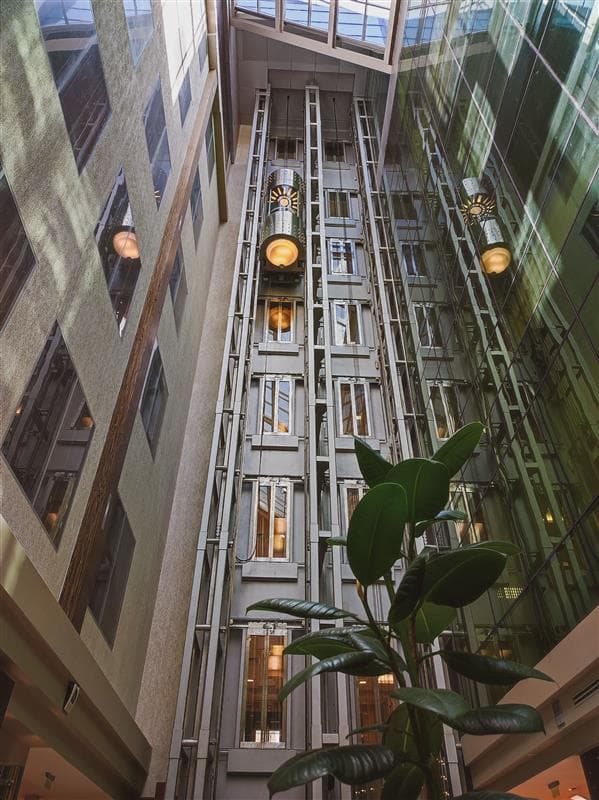
A regional elevator service provider was responsible for maintaining more than 300 elevators across residential and commercial buildings.
Their maintenance process relied heavily on customer complaints to identify breakdowns. Service requests were logged manually, technicians were dispatched without complete fault information, and managers had little visibility into response times or SLA performance.
As the customer base grew, these challenges became more frequent:
- Critical faults were reported only after elevators stopped operating.
- Service teams spent valuable time diagnosing issues on-site.
- SLA commitments were difficult to monitor across multiple locations.
- Building managers had limited visibility into maintenance progress.
- Repeated failures increased customer dissatisfaction and operational costs.
The company needed a smarter way to detect issues early, prioritize service requests, and monitor technician performance.
Implemented the Real Time Fault Alerting and SLA Based Ticket Management capability within its Smart Elevator Operations Suite.
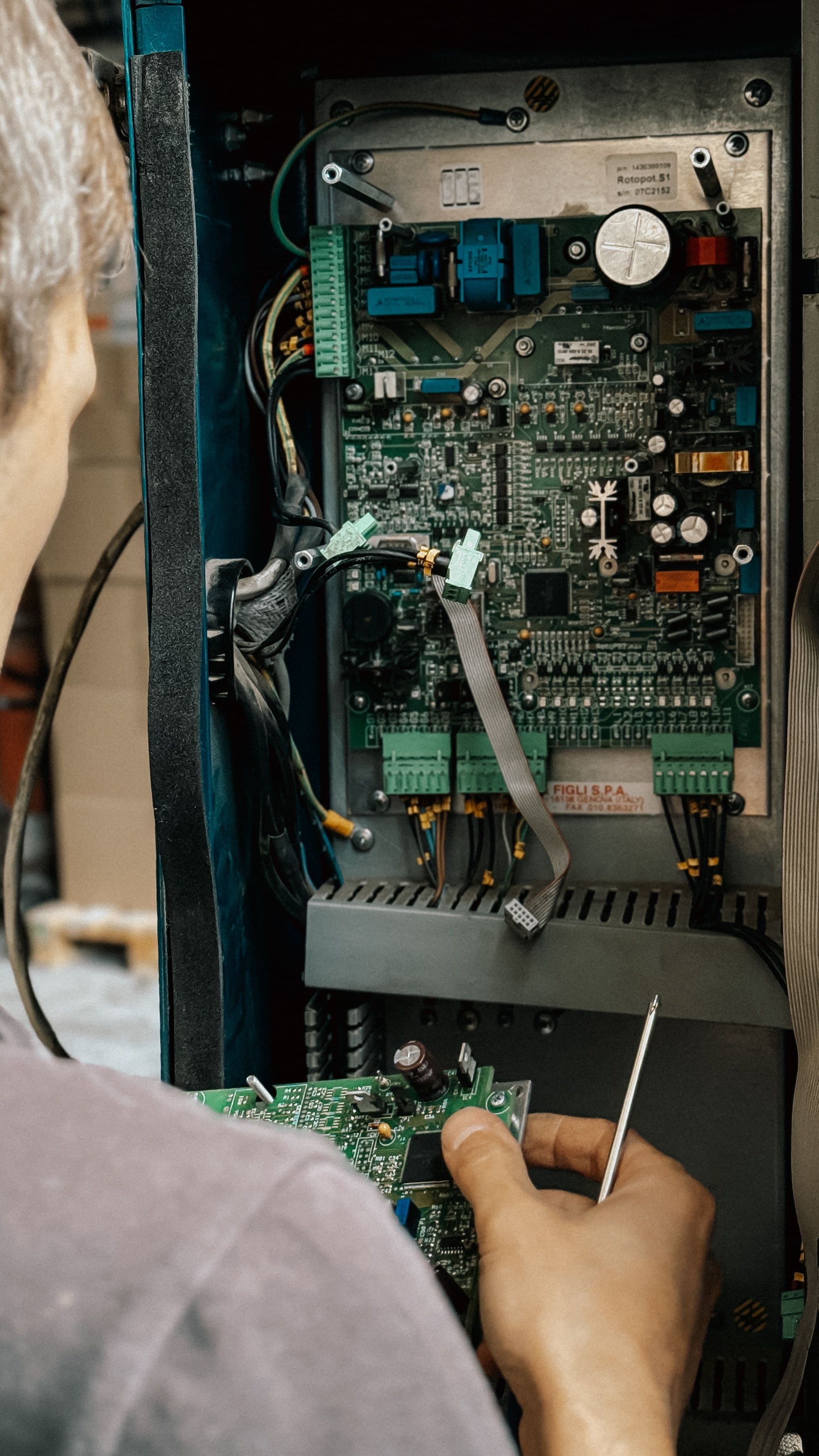
IoT hardware installed inside the elevator control panel continuously monitored controller events and transmitted operational data securely to the cloud.
Whenever the system detected abnormal conditions such as controller fault codes, emergency brake activation, prolonged door-open events, or communication failures, it automatically generated alerts and created service tickets.
Each ticket included:
- Elevator identification
- Fault category and priority
- Timestamp of occurrence
- Current elevator status
- Assigned technician
- SLA deadline
- Complete activity history
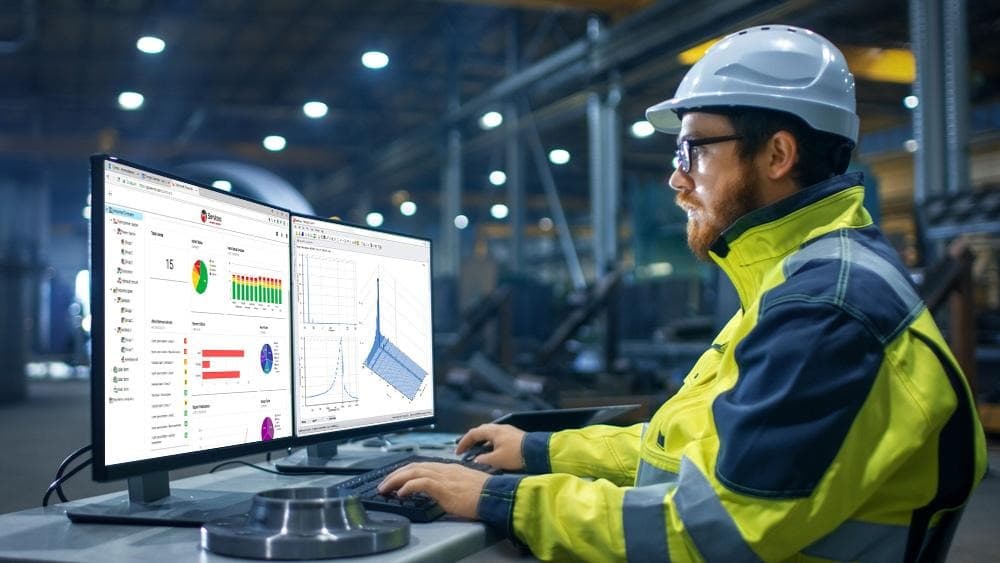
Operations managers could monitor all open incidents from a centralized dashboard while technicians received instant notifications to begin troubleshooting immediately.
Within the first few months of deployment, the customer experienced measurable operational improvements:
- Faster identification of critical elevator faults
- Reduced response time through automated ticket creation
- Improved SLA compliance with live tracking and escalation
- Better technician productivity through accurate fault information
- Greater visibility into service performance across multiple locations
- Improved customer satisfaction due to quicker issue resolution
Instead of reacting after passengers reported problems, the maintenance team could begin responding as soon as the system detected an abnormal condition.
Related RND Square services
Product work like this depends on clear handoffs across engineering teams.
When a project similar to How Real Time Fault Alerts Reduced Elevator Downtime and Improved SLA Compliance needs delivery support, RND Square can help connect the hardware, firmware, cloud, AI, and manufacturing work around one product roadmap.
Service fit
Vision AI Services
Useful when inspection, detection, or visual decision support becomes part of the product.
PCB, enclosure, sensors
RTOS, Linux, device logic
Dashboards, APIs, data flow
Vision, inspection, analytics
100%
Automated Ticket Creation
97%
SLA Compliance
90%
Faster Fault Detection
Let's build the future, together.
Fullstack engineering partner: from hardware to cloud to Vision AI.
Trusted by