 Industries
How Much Time Does Your Technician Spend Finding the Problem?
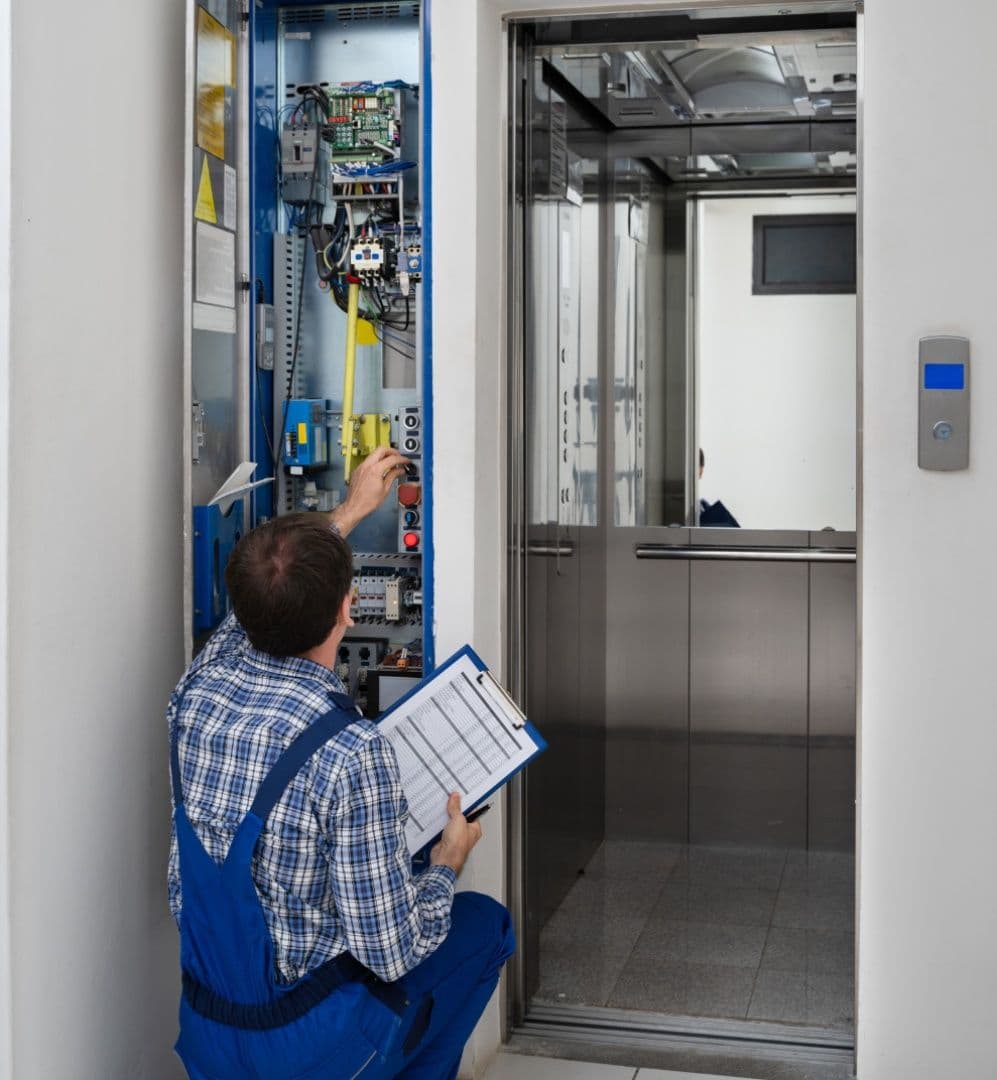
An elevator service company was facing a recurring challenge: technicians were spending valuable time identifying the cause of breakdowns before they could begin repairs.
When an elevator stopped working, the technician would visit the site and investigate the issue. However, the information needed to diagnose the problem was often spread across previous service reports, maintenance records, fault logs, and communication between team members.
The technician might need to determine whether the same fault had occurred before, which components had been replaced, what the previous technician had observed, and whether an earlier repair had fully resolved the issue.
Without a complete view of the elevator's service history, technicians often had to start their investigation from scratch.
This created several challenges:
- Longer diagnosis time: Technicians spent additional time identifying the root cause before beginning repairs.
- Repeated troubleshooting: Previous findings were not always readily available, leading to repeated checks.
- Limited fault history: Technicians lacked immediate access to earlier breakdowns and repair activities.
- Unnecessary service visits: Incomplete information could make it difficult to arrive with the right parts or prepare for the required repair.
- Delayed resolution: More time spent investigating meant longer periods before the elevator could return to service.
The challenge was not simply fixing the elevator.
It was giving technicians the right information before they started troubleshooting.
RND Square approached the challenge by connecting elevator information, breakdown records, fault history, and service activities through a centralized service management platform.
The goal was to ensure that technicians could access relevant information about an elevator before and during a service visit, rather than relying on scattered records or repeated communication with the office.
The platform provides a connected view of each elevator's service history, helping teams understand what happened previously and what actions were taken.
Key capabilities include:
- Centralized elevator records: Access equipment details and relevant maintenance information from one place.
- Fault and breakdown tracking: Review reported faults and identify recurring problems.
- Service history: Understand previous complaints, repairs, and technician observations.
- Component replacement records: Check which parts have already been replaced.
- Technician activity tracking: Review previous service actions and their outcomes.
- Service request management: Connect customer complaints with the corresponding elevator and service activities.
- Resolution tracking: Understand whether previous issues were resolved or require further investigation.
When a new breakdown is reported, the service team can review the elevator's history and provide the technician with better context before the visit.
Instead of asking, "Where do I start looking for the problem?", the technician can begin with a clearer understanding of what has already happened.
Connecting elevator service information helps shift troubleshooting from repeated investigation towards more informed diagnosis.
With access to a structured service history, the company can help technicians:
- Review previous faults before arriving at the site.
- Understand which troubleshooting steps have already been completed.
- Identify recurring failures and previously replaced components.
- Reduce time spent searching for service records.
- Prepare more effectively for service visits.
- Improve coordination between technicians and the service office.
- Identify elevators that require deeper investigation.
- Maintain a clearer record of repairs and their outcomes.
The operational value extends beyond individual technicians. Service managers gain better visibility into recurring issues, while the company can use historical service information to identify opportunities for improved maintenance and fault prevention.
The key outcome is a more informed service process, where technicians spend less effort reconstructing the history of a breakdown and can focus more effectively on diagnosing and resolving the issue.
Instead of asking:
"How long will it take our technician to find the problem?"
The better question becomes:
"Does our technician have the information needed to identify the problem before troubleshooting begins?"
By connecting equipment records, fault history, and service activities, RND Square helps elevator service teams build a more organized and information-driven approach to breakdown management.
Related RND Square services
Product work like this depends on clear handoffs across engineering teams.
When a project similar to How Much Time Does Your Technician Spend Finding the Problem? needs delivery support, RND Square can help connect the hardware, firmware, cloud, AI, and manufacturing work around one product roadmap.
Service fit
Vision AI Services
Useful when inspection, detection, or visual decision support becomes part of the product.
PCB, enclosure, sensors
RTOS, Linux, device logic
Dashboards, APIs, data flow
Vision, inspection, analytics

50%
Reduction in Fault Diagnosis Time
100%
Equipment Service History Availability
90%
Improved Fault Tracking
Let's build the future, together.
Fullstack engineering partner: from hardware to cloud to Vision AI.
Trusted by