.png&w=3840&q=75)
 Industries
Identifying Recurring Elevator Faults Across a Growing Fleet
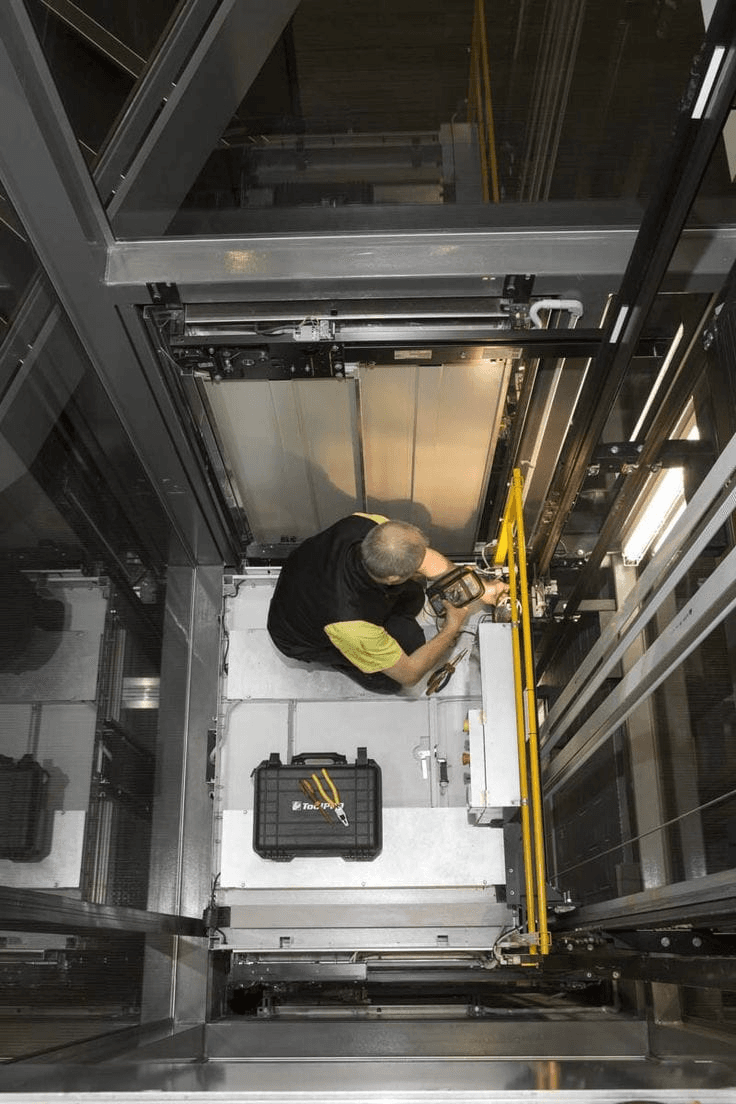
An elevator company was managing a growing installed base across multiple buildings and locations. Although service teams were successfully resolving individual breakdowns, management was finding it difficult to understand which problems were repeatedly affecting the fleet.
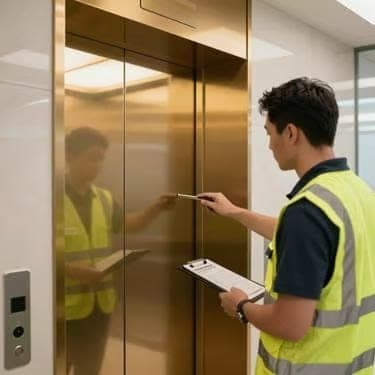
The same elevator might experience multiple faults over several months, but service records were maintained separately by technicians and locations. As a result, recurring issues were often treated as individual service calls rather than part of a larger pattern.
Management lacked a consolidated view of questions such as:
Which elevators generate the most faults? Which faults occur repeatedly? Which locations require more maintenance? And which problems are increasing over time?
Without this visibility, maintenance decisions were largely based on individual technician observations and historical service records.
The company implemented an IoT enabled elevator monitoring and analytics platform to bring operational and maintenance data from its installed fleet into a centralized environment.
The platform continuously collected elevator operating information and fault events from connected elevators.
Instead of looking at each service request independently, the company could analyze fault history across individual elevators, buildings, and the wider fleet.
AI driven analytics helped identify recurring patterns and abnormal behavior. Service teams could use this information to distinguish between isolated incidents and elevators that were experiencing repeated problems.
Managers could also compare elevator performance across locations and use historical data to identify assets that required closer attention or preventive maintenance.
The company moved from analyzing elevator faults individually to understanding fleet-wide maintenance patterns.
Service managers could identify elevators with unusually high fault frequency and investigate the underlying causes. Recurring problems could be escalated for deeper technical analysis rather than repeatedly resolving the same symptom.
The data also helped management make better maintenance decisions by highlighting where service resources were being consumed most heavily.
Over time, this created an opportunity to improve maintenance planning, reduce recurring faults, and improve the reliability of the installed elevator base.
Managing thousands of elevator service calls is not the same as understanding the health of an elevator fleet.
The real value comes from connecting those individual events and asking:
“What is the pattern behind the failures?”
With IoT data, historical fault records, and AI-driven analytics, elevator companies can move from fixing individual problems to identifying which assets are becoming unreliable, why they are failing repeatedly, and where maintenance attention will have the greatest impact.
Related RND Square services
Product work like this depends on clear handoffs across engineering teams.
When a project similar to Identifying Recurring Elevator Faults Across a Growing Fleet needs delivery support, RND Square can help connect the hardware, firmware, cloud, AI, and manufacturing work around one product roadmap.
Service fit
Vision AI Services
Useful when inspection, detection, or visual decision support becomes part of the product.
PCB, enclosure, sensors
RTOS, Linux, device logic
Dashboards, APIs, data flow
Vision, inspection, analytics
100%
Fleet Wide Visibility
85%
Recurring Fault Identification
80%
Data Driven Maintenance
Let's build the future, together.
Fullstack engineering partner: from hardware to cloud to Vision AI.
Trusted by