

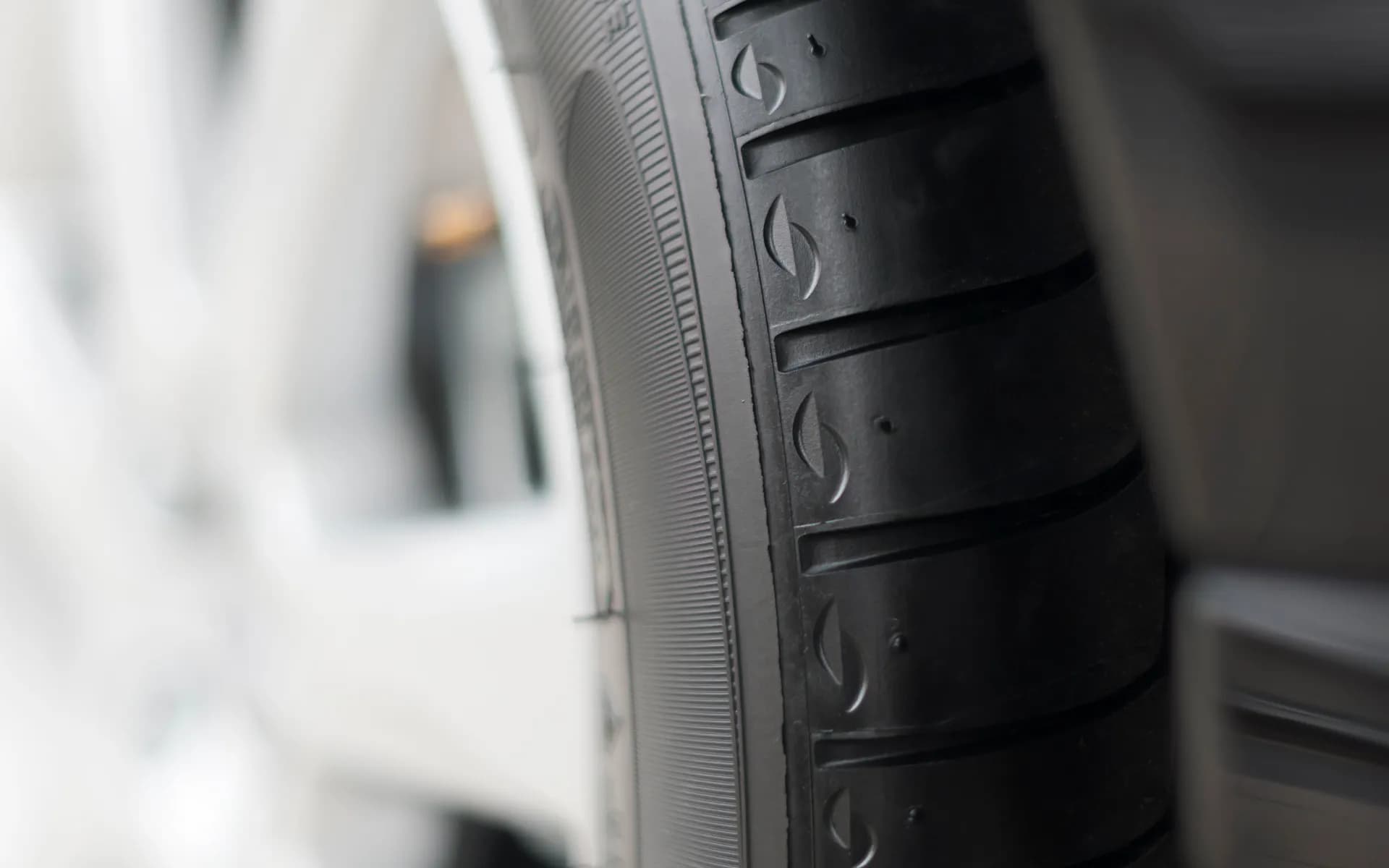
Tyre Pressure
Monitoring Telematics
Fleet TPMS telematics that fuse pressure and temperature from every wheel position into a single platform, predict a slow leak before it becomes a blowout, and roll tyre health up across the whole fleet. From the valve sensor to the fleet dashboard, the platform connects rubber to data.
 THE CHALLENGE
A Tyre Loses Pressure Slowly, Then Fails All at Once
Tyres are one of the largest running costs in a fleet and one of the most dangerous failure points, yet pressure is usually checked manually, days apart, by someone with a gauge. A slow leak from a small puncture drops pressure gradually until the tyre overheats and fails at speed, often on a loaded vehicle far from the depot. The data exists at each wheel, but it never reaches anyone in time. TPMS telematics read every wheel continuously and turn a gradual leak into an early alert.
A component of the broader Telematics and GPS Tracking capability, often deployed with Truck Fleet Telematics.
WHAT'S INCLUDED
Wheel Sensors to Fleet-Wide Tyre Health
Valve and Band Sensors
BLE and sub-GHz RF valve-cap and band-mounted sensors report pressure and temperature from each wheel position, including inner duals and trailer axles that a manual check rarely reaches.
Sensor Fusion Gateway
An in-vehicle gateway receives every sensor, maps each one to a physical wheel position, fuses the readings, and forwards them to the cloud, so the platform always knows which tyre a reading came from.
Slow-Leak Prediction
Pressure is modelled over time per wheel so a steady downward trend is caught as a developing leak long before it crosses a hard low-pressure threshold, giving the depot time to act on a schedule rather than at the roadside.
Temperature and Overheat Alerts
Tyre temperature is tracked alongside pressure, because a dragging brake or an under-inflated tyre shows up as heat first. Rising temperature on a single wheel raises an alert before the casing is damaged.
Fleet Rollup and Reporting
Individual wheel data rolls up to vehicle and fleet level, so a tyre manager sees which vehicles are running outside safe pressure, where the recurring problems are, and how inflation is trending across the fleet.
Driver and Depot Alerts
Low-pressure and overheat warnings reach the driver in-cab and the depot dashboard at once, so a problem is acted on by whoever is closest, whether that is the driver pulling over or the workshop scheduling a fix.
HOW IT WORKS
From Valve Sensor to Predicted Leak
The value is in catching the leak early, so the chain is designed to spot a trend rather than only react to a threshold being crossed.
Sense at Each Wheel
BLE or sub-GHz RF sensors at every wheel report pressure and temperature, and the gateway maps each reading to its exact axle and position.
Fuse and Forward
The gateway fuses readings, filters noise from a wheel out of range temporarily, and forwards a clean per-wheel stream to the cloud over MQTT.
Trend and Alert
The platform models pressure decay and temperature per wheel, predicts a slow leak, and alerts the driver and depot before it becomes a roadside failure.
WHAT YOU GET
Lower Tyre Cost and Fewer Roadside Failures
Catch the Leak Early
A predicted slow leak means a tyre is fixed at the depot on your schedule instead of failing at speed on a loaded vehicle hours from home.
Better Fuel from Correct Inflation
Under-inflated tyres burn more fuel and wear faster. Continuous monitoring keeps the whole fleet at correct pressure, which shows up directly in fuel and tyre life.
See the Wheels Nobody Checks
Inner duals and trailer axles get the same continuous attention as the front tyres, closing the gap where most manual checks fall short.
Safety You Can Evidence
Continuous pressure and temperature logs give you a record that tyres were monitored, which matters for safety audits and incident investigation.
HARDWARE AND INTEGRATION
Built to Fit How Your Fleet Already Runs
BLE and RF Sensor Support
BLE and sub-GHz RF valve and band sensors are supported, with parts chosen on battery life, range, and how many wheel positions a tractor-trailer combination needs.
Runs on the Tracking Unit
The TPMS gateway can run on the same telematics unit handling GNSS and CAN, so tyre data joins location, fuel, and diagnostics on one device and one backend.
CAN and J1939 Integration
Where vehicles expose TPMS data on the bus, it is read over CAN and J1939 directly, and dedicated sensors are added otherwise, so mixed fleets get one consistent tyre view.
FAQ
Common Questions
What sensors read tyre pressure?
BLE and sub-GHz RF sensors, both valve-cap and band-mounted types, report pressure and temperature from each wheel position. Sensor choice depends on battery life, range, and how many wheel positions a vehicle and trailer combination has, including inner duals and trailer axles.
How does slow-leak prediction work?
Pressure is modelled over time for each individual wheel. A steady downward trend is identified as a developing leak well before pressure crosses a hard low threshold, so the depot can schedule a repair instead of dealing with a roadside failure. This is the difference between predicting a leak and only reacting to a flat.
Why monitor temperature as well as pressure?
Temperature is an early warning. An under-inflated tyre or a dragging brake heats up before the casing is damaged, so rising temperature on a single wheel can flag a problem even before pressure looks alarming. Tracking both together gives a more complete picture of tyre health.
Does this reduce fuel cost?
Yes. Under-inflated tyres increase rolling resistance, which burns more fuel and wears the tyre faster. Continuous monitoring keeps the whole fleet at correct inflation rather than relying on infrequent manual checks, and that shows up directly in fuel consumption and tyre life.
Can it cover inner duals and trailer axles?
Yes, and this is one of the biggest gains. Inner dual tyres and trailer axles are the positions manual checks most often miss, yet they fail just as easily. The sensors and gateway map every wheel position, so those hidden tyres get the same continuous monitoring as the ones a driver can see.
Can tyre data run on your existing tracking device?
Yes. The TPMS gateway can run on the same telematics unit that already handles GNSS and CAN data, so tyre pressure and temperature join location, fuel, and diagnostics on one device and one backend rather than adding a separate system.
Do drivers get warnings directly?
Yes. Low-pressure and overheat alerts go to the driver in-cab and to the depot dashboard at the same time, so the problem is handled by whoever can act fastest, whether that is the driver pulling over safely or the workshop scheduling a repair.
Ready to Build Your TPMS Telematics?
Share your vehicle and trailer configurations, your axle counts, and how your tyre team works today to get a tailored walkthrough of sensors, the gateway, and the fleet rollup.
Schedule a Free Consultation