

Railway Fog Safety and
Loco Pilot Assistance
A cab fog safety device that tells the loco pilot the distance to the next signal and level crossing by voice and screen. NavIC positioning, an onboard landmark database, and a rugged enclosure built for the locomotive.
 THE CHALLENGE
In Dense Fog the Pilot Can't See the Signal in Time
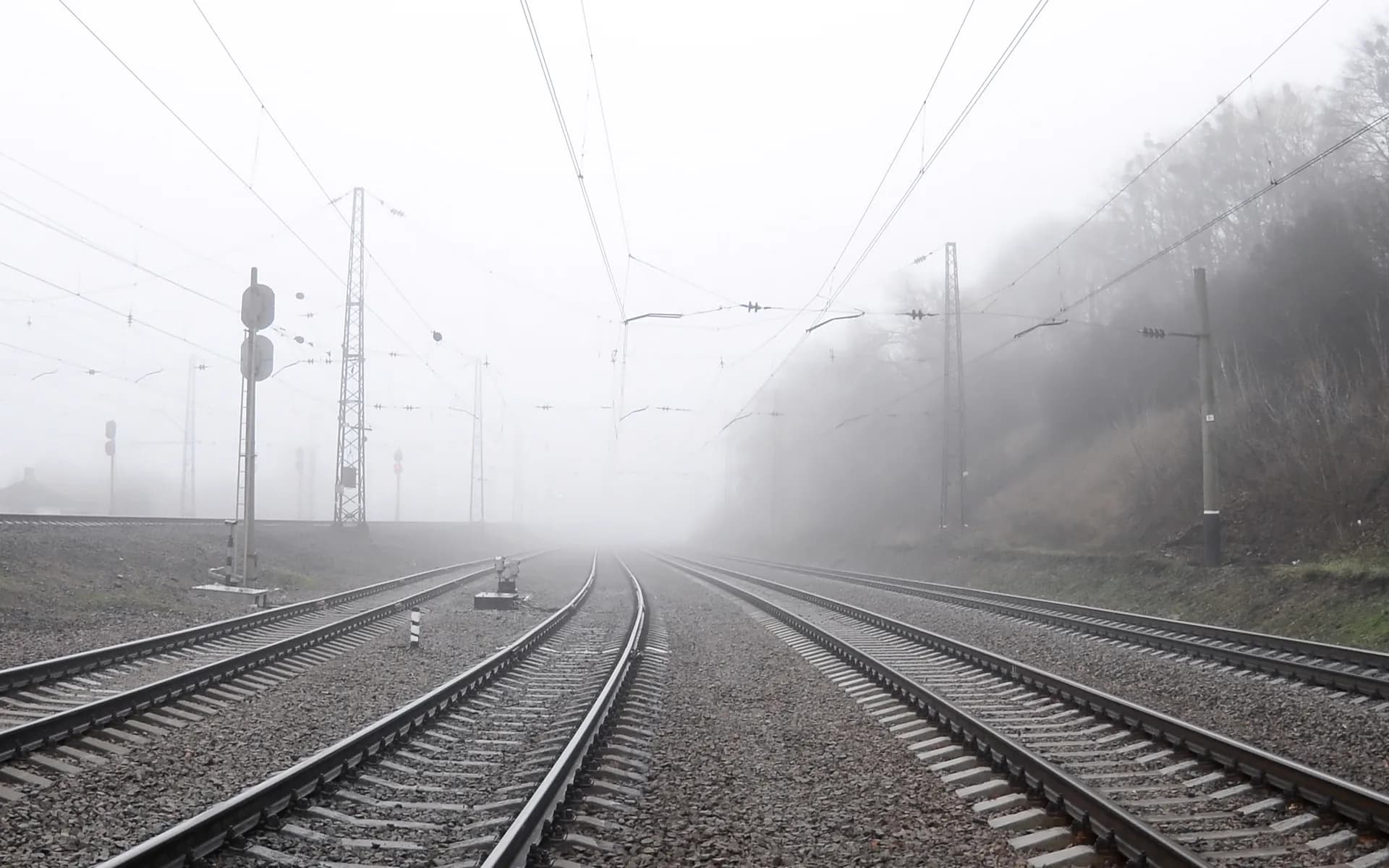
When fog closes a section, the loco pilot cannot read a lineside signal until the train is almost on top of it. Trains are slowed or stopped, schedules collapse, and the margin for a missed signal narrows. RDSO mandates fog safety devices to give the pilot advance warning that does not depend on seeing the signal at all. The hard part is doing this reliably from a moving locomotive: a stable position through tunnels and traction interference, an accurate distance to the right landmark, and an alert the pilot can act on without taking eyes off the track. The device is built to do exactly this.
Part of the Telematics and GPS Tracking stack, and commonly built alongside GPS Tracking Device Development.
WHAT'S INCLUDED
A Cab Device That Counts Down to the Next Landmark
NavIC and GPS Positioning
The positioning front end is built around NavIC, the Indian regional system, with GPS support. NavIC gives a strong fix over Indian territory, which matters when the device has to resolve which landmark is next on the track ahead and how far away it is.
Onboard Signal and Landmark Database
The device carries a geo-referenced database of the section: signals, level crossings, gradient posts, and stations, each with coordinates and a type. The lookup runs on the device, so the countdown works with no network connection at all, which is the only safe assumption on a moving train.
Voice and Visual Countdown
As the train approaches a landmark, the pilot hears the type and distance and watches the count fall on a cab display. The pairing keeps the pilot informed in zero visibility without forcing a long look away from the track, which is the whole point of a fog safety device.
Dead Reckoning Through Tunnels
Where the satellite fix drops, in a tunnel or a deep cutting, the device falls back to dead reckoning. It estimates distance from the last fix, the known track geometry, and motion sensing, then resumes from the satellite fix when the sky view returns. The countdown does not freeze underground.
Rugged Cab Enclosure
Enclosure and board are designed for the locomotive: vibration tolerant mounting, a temperature rated component set, and EMI hardening on the supply and signal paths so positioning and the display stay stable under traction load. The device is built to live in the cab, not on a bench.
Geo-Fenced Landmark Alerts
Each landmark carries a geofence sized to its approach. The device fires the announcement and starts the countdown when the train enters that approach zone, so the warning arrives with enough distance for the pilot to act and not so early that it becomes noise.
ENGINEERING FOCUS
Why RNDSquare
A fog safety device is hard in three specific places, and the engineering is organized around them: a positioning front end that stays accurate under locomotive vibration and traction interference, a cab interface that delivers the warning clearly without pulling attention off the track, and ruggedization that survives the heat, shock, and EMI of the cab. These are treated as the load-bearing problems rather than afterthoughts.
Positioning Front End
The NavIC and GPS positioning chain on the board is designed to hold a usable fix while the locomotive throws vibration and traction interference at it. This is the foundation the landmark countdown depends on.
Cab Interface
The interface the pilot actually uses, the voice path and the visual countdown on the cab display, is tuned so the warning lands clearly in a noisy cab without demanding attention away from the track.
Ruggedization
Board and enclosure are hardened for the locomotive environment: vibration, temperature, and EMI. This is exactly what a fog safety device has to clear before it can be trusted in service.
STANDARDS AND ALIGNMENT
Designed Around the RDSO Approach
RDSO Alignment
The design follows the RDSO approach for fog safety devices: NavIC based positioning, the onboard landmark database, and the voice and visual countdown behaviour. Hardware and firmware are built to the functional and environmental expectations of cab equipment.
NavIC First
Positioning leans on NavIC for indigenous, territory-strong fixes, with GPS support. This matches the direction of Indian transport positioning mandates and gives the landmark lookup the accuracy it needs over the section.
Cab Equipment Environment
The unit is built to the environmental reality of the locomotive cab, the vibration, temperature, and EMI profile that any device in this role has to survive, so it can move through the relevant validation rather than fail it on the bench.
FAQ
Common Questions
How does the device know which signal or landmark is coming next?
The device carries an onboard database of geo-referenced landmarks for the section: signals, level crossings, gradient posts, and stations, each stored with its coordinates and type. As the train moves, the device compares the live NavIC and GPS position against this database, identifies the next landmark on the track ahead, and counts down the distance to it. The database is loaded per section so the device works without any network connection.
What happens to positioning inside a tunnel or in a satellite shadow?
Where the satellite fix drops, the device falls back to dead reckoning. It uses the last known position, the train heading along the known track geometry, and motion sensing to estimate distance travelled, then resumes from the satellite fix when the sky view returns. This keeps the countdown to the next landmark running through tunnels and deep cuttings.
How is the alert delivered to the loco pilot?
The device gives both a voice announcement and a visual countdown on a cab display. As the train approaches a signal or level crossing, the pilot hears the landmark type and distance and sees the count fall on screen. The combination keeps the pilot informed in dense fog when the lineside signal is not yet visible, without forcing the pilot to look away from the track for long.
Is the device aligned with RDSO requirements?
The design follows the RDSO approach for fog safety devices, including NavIC based positioning, the onboard landmark database, and the voice and visual countdown behaviour. Hardware and firmware are built to the environmental and functional expectations of cab equipment so the unit can move through the relevant validation.
How does the enclosure survive the locomotive environment?
The cab is a hard environment: continuous vibration, wide temperature swing, and strong electromagnetic interference from traction equipment. Enclosure and board are designed for that, with vibration tolerant mounting, a temperature rated component selection, and EMI hardening on the supply and signal paths so positioning and the display stay stable under traction load.
How does the design approach this class of device?
Engineering centers on the parts that make a fog safety device dependable: a positioning front end that holds a usable fix under locomotive vibration and traction interference, a cab interface that delivers the warning clearly without pulling attention from the track, and ruggedization across vibration, temperature, and EMI. These are treated as the load-bearing design patterns for the class.
Can the device warn about a level crossing as well as a signal?
Yes. Level crossings are stored in the same onboard landmark database as signals, with their own type. The device announces and counts down to a level crossing the same way it does for a signal, so the pilot gets advance warning of an unmanned or manned crossing ahead in poor visibility.
Building a Fog Safety Device for Your Fleet?
Share the sections you run and the validation path you target to get a tailored walkthrough of the positioning chain, the landmark database, and the ruggedization, with a realistic timeline.
Schedule a Free Consultation