

Personal and Family
Safety Trackers
Compact wearable trackers that put help one press away. One-touch SOS to trusted contacts and ERSS 112, live location sharing, safe-zone geofencing, and fall detection, in a device small enough to carry every day.
 THE CHALLENGE
Safety Has to Work in the Moment It Is Needed
A phone is not always reachable when it matters. A woman walking home, an elderly parent who has fallen, a child who has wandered, or anyone in a lone or unsafe situation needs help that takes one action, a single press that beats unlocking a screen and dialing. Most generic trackers are bulky, drain in a day, or send an alert to nowhere. This device is built for the moment of need, small enough to always be on the person, with a single press that reaches both trusted contacts and emergency services, and a battery that lasts.
One layer of the full Telematics and GPS Tracking platform, working closely with School Bus and Student Tracking.
WHAT'S INCLUDED
A Wearable Built Around the SOS Moment
Compact Low-Power Wearable
A tight low-power PCB packs GNSS, a cellular or NB-IoT radio, and an accelerometer onto a board small enough for a pendant, keyfob, or wrist form factor. Small enough to actually be carried is the whole point.
One-Touch SOS
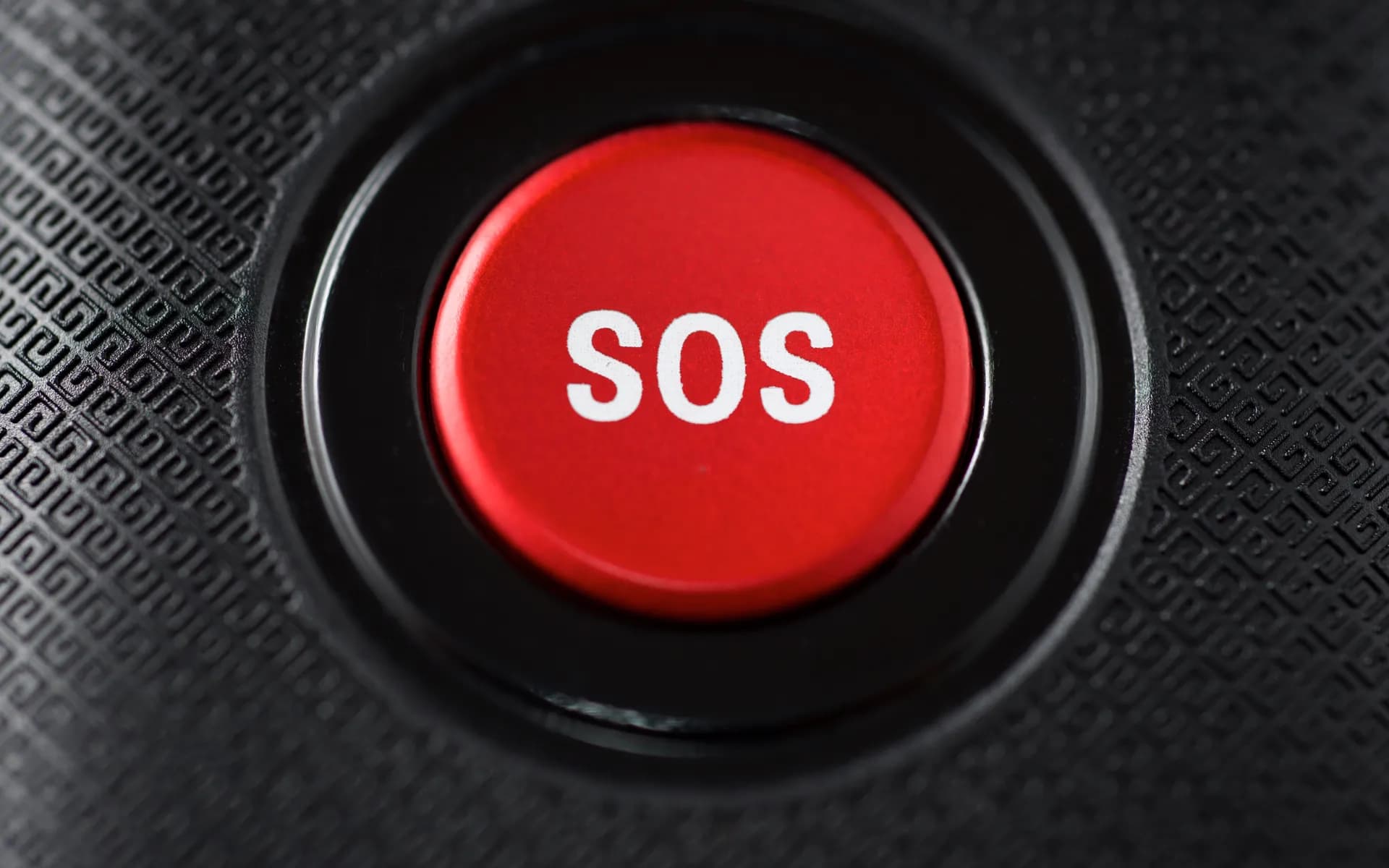
A single press triggers the alert. The device fans out in parallel to trusted contacts and, where enabled, into the ERSS 112 flow, so the wearer reaches several channels at once at the worst moment.
ERSS 112 Integration
The panic event integrates with the national emergency response number so an SOS carries the live location into the 112 flow. Help is dispatched to a real position rather than a vague last-known guess.
Live Location Sharing
During an active SOS the device raises its reporting cadence and streams live position to the people who can act, so a contact or responder can follow the wearer in real time rather than chase a stale fix.
Safe-Zone Geofencing
A carer can draw safe zones such as home, school, or a care facility in the companion app. Crossing a boundary raises an alert with location, which is exactly the case for child or dementia wandering.
Accelerometer Fall Detection
A low-power accelerometer watches for the impact-then-stillness signature of a fall, with tuned thresholds and a cancel countdown so a recoverable stumble stays quiet but a real fall raises help.
HARDWARE ENGINEERING
Small Board, Long Battery, Real Signal
The hard part of a safety wearable is fitting GNSS, a radio, sensing, and a battery into something a person will keep on them, while still getting a fix and a connection when it counts. That is solved at the board level, with careful power budgeting and antenna placement, so the device disappears into daily life until the moment it is needed.
Compact Low-Power PCB
A dense board is laid out around a low-power MCU, a GNSS receiver, and a cellular or NB-IoT modem, with the accelerometer on the same board, designed in Altium for a small enclosure.
Battery and Duty Cycle
Power is budgeted so the device sits in low-power standby with periodic updates and ramps cadence only during an active SOS, targeting multi-day life instead of a nightly charge.
Antenna and Fix Quality
The GNSS and cellular antennas are tuned for the small form factor so the device still gets a usable position fix and a connection when it is worn close to the body.
WHO IT PROTECTS
One Device, Several People to Keep Safe
Women in Unsafe Situations
A discreet press during a commute or a lone walk shares live location with trusted contacts and reaches 112, without unlocking a phone or making it obvious.
Elderly Relatives
Fall detection and safe-zone alerts cover the two events families worry about most, a fall at home and wandering, with help reaching a known location.
Children
A carer sees live location and gets an alert the moment a child leaves a safe zone such as school or home, with one-press SOS the child can use too.
FAQ
Common Questions
How does the SOS button reach help quickly?
One press fans out in parallel. The device pushes live location to the configured contacts and, where integration is enabled, raises an alert into the ERSS 112 flow with location attached, so the wearer reaches several channels at once for the fastest response.
Is the tracker small enough to actually carry every day?
The PCB is designed around a compact low-power layout so it fits a pendant, keyfob, or wrist form factor. The radios, GNSS, and accelerometer share a tight board, and the battery is sized for multi-day use rather than a charge every night.
How does fall detection work without constant false alarms?
A low-power accelerometer watches for the impact-then-stillness signature of a fall. Tuned thresholds and a short countdown with a cancel press mean a stumble that the wearer recovers from does not trigger an alert, but a genuine fall does.
Can a parent or carer set safe zones for a child or elderly relative?
Yes. The companion app lets a carer draw safe-zone geofences such as home, school, or a care facility. Crossing the boundary raises an alert with the live location, which is the common case for child or dementia wandering.
How long does the battery last?
It depends on how often the device reports position, but the low-power design targets multi-day standby with periodic location updates, and a faster cadence during an active SOS. The reporting profile is tuned to the use case during the build.
Can this ship as your own branded consumer product?
Yes. Scope runs from the PCB and enclosure through firmware, the companion app, and the cloud, ending in a product you can certify and sell under your own brand. The architecture is built for compact consumer trackers end to end.
Ready to Build a Safety Wearable?
Share the form factor, the people you want to protect, and your battery and certification targets to get a tailored approach across the board, the firmware, and the SOS path from press to responder, along with a realistic timeline.
Schedule a Free Consultation