

Cellular Connectivity
Design for Trackers
Cellular link design that keeps your tracker connected, from modem selection and AT command stacks to network fallback, eSIM provisioning, and antenna co-design. The radio access technology and module are matched to your payload, mobility, and power budget, with the link validated at the cell edge.
 THE CHALLENGE
Connectivity Is Where Trackers Quietly Fail
A tracker that gets a clean GPS fix is worthless if it cannot register on a network and send the data. The hard part is that the cellular link has to work in a small enclosure, on a small battery, across carriers and countries, while 2G networks that older designs relied on are being switched off. Picking the wrong module or radio access technology leaves you with a device that drops connection at the cell edge, drains the battery on a single transmit burst, or stops working the day a carrier sunsets GSM. Modem selection, fallback strategy, SIM provisioning, and the antenna and power path are treated as one connected design, with registration and throughput validated on real networks.
A component of the broader GPS tracking device engineering capability, often deployed with NB-IoT Asset Tracker Development.
WHAT'S INCLUDED
The Scope of Work
Modem Selection
The cellular module is selected against your mobility, payload, and power budget. Quectel EC200U or EC200A for LTE Cat-1, BG95 or BG96 where the device needs Cat-M1 and NB-IoT in one part, or SIMCom SIM7600 and SIM7080 where their footprint or band plan fits better. Current draw, supported bands per region, and form factor are weighed before the part is locked.
AT Command Driver Stacks
The AT command driver brings up the modem, manages PDP context and socket lifecycle, and parses unsolicited result codes for network events. The URC handling separates registration changes, signal reports, and incoming data so the firmware reacts to a dropped link instead of blocking on a stale connection.
Network Fallback and RAT Selection
The radio access technology preference list is set so the modem tries LTE Cat-1 first, falls back to Cat-M1 or NB-IoT, and only drops to 2G as a last resort where regulation still requires it. The device recovers from a lost link by walking the RAT list rather than sitting offline.
2G and 3G Sunset Migration
Designs move off GSM and UMTS modules onto LTE parts before carriers shut the legacy networks down. This is a module swap, a band plan change, and a firmware update to the AT stack, done so the field fleet stays connected through the sunset without a full redesign.
SIM and eSIM Provisioning
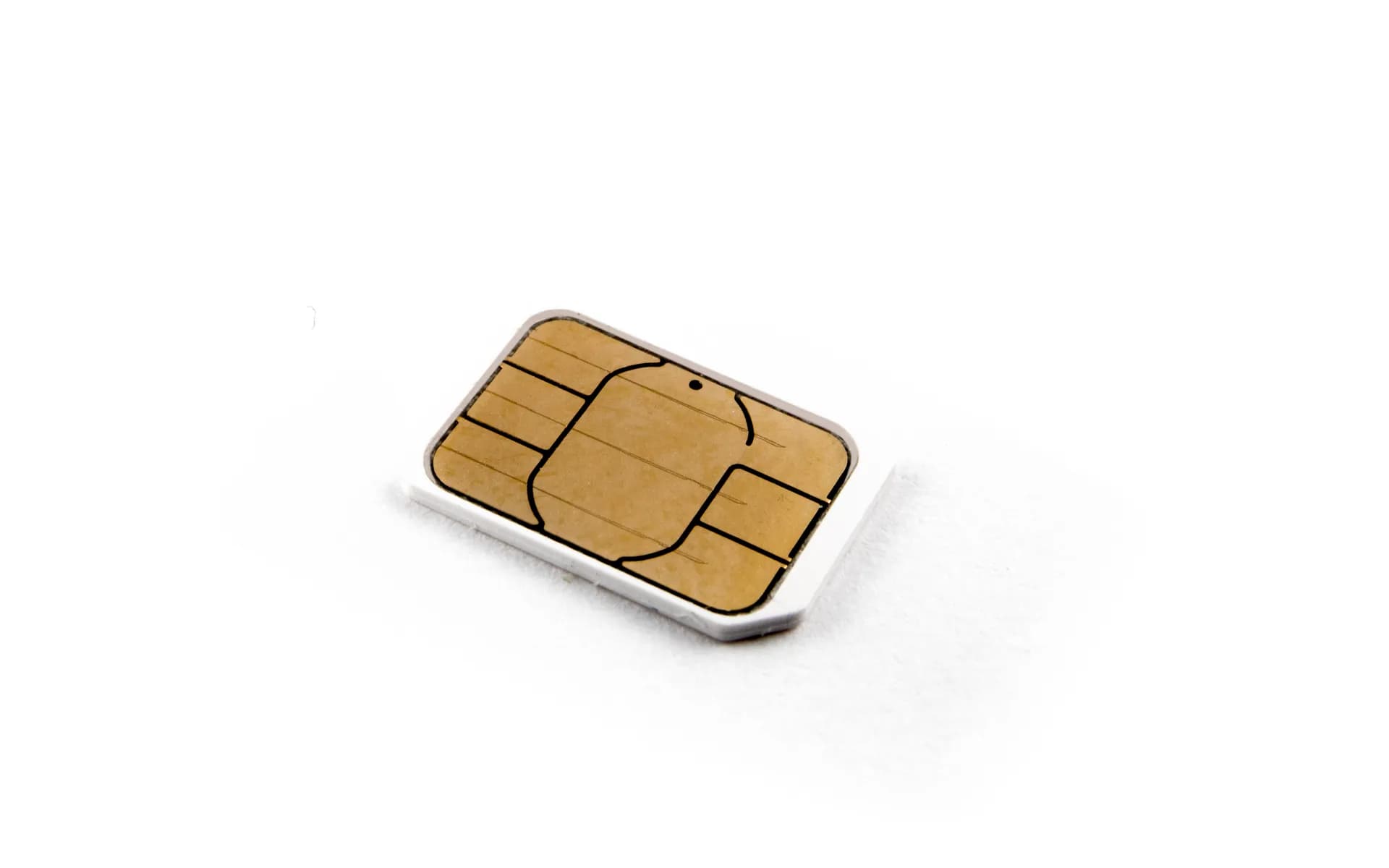
The choice spans a 2FF or 4FF socket, an MFF2 soldered eSIM for sealed devices, and a multi-IMSI roaming SIM for cross-border fleets. The carrier profile, APN configuration, and remote SIM provisioning where needed are handled so a device can switch operator without being opened.
Data Plan and Payload Sizing
Monthly data per device is sized by measuring the real payload, headers, and registration overhead at your report interval. The protocol and report cadence are trimmed so a fleet on a metered or NB-IoT plan stays inside its data allocation instead of overrunning it.
TECHNICAL APPROACH
How the Link Is Made to Hold
RAT and Module Fit
Your report interval, payload, and mobility map onto a radio access technology before the part is chosen. A fixed asset reporting small packets gets NB-IoT on a BG95, a moving vehicle gets Cat-M1 or Cat-1 on an EC200 or SIM7600, so the module matches how the device actually behaves.
Reliable AT and URC Handling
The AT driver is written to expect failure. It times out and retries registration, watches the CEREG and CSQ unsolicited result codes for link state and signal, and tears down and rebuilds the socket cleanly so a flaky network never leaves the firmware blocked on a dead modem.
Antenna and PA Current Budget
The cellular antenna and matching are co-designed with the PCB so the transmit power amplifier registers at lower output. The PA current spike is budgeted against the battery and bulk capacitance so a transmit burst at the cell edge does not brown out the modem mid-registration.
INTEGRATION AND OUTPUTS
Where the Link Connects
The cellular link is the carrier for everything else the device does, so it hands off cleanly to the application firmware, the cloud transport, and the power management on the board rather than sitting as an isolated modem driver.
Cloud Transport
The socket layer feeds the MQTT or TCP transport that carries telemetry to your platform, so the device-to-cloud protocol sits on a connection that already handles reconnect, fallback, and payload sizing.
Tested Driver and Build Files
The AT command driver, the band and RAT configuration, the APN and SIM profile, and the antenna matching values are part of the firmware and PCB so the design goes to build with the connectivity solved.
Power and Sleep Integration
The modem driver ties into the power management with PSM and eDRX so the radio sleeps between reports, and the PA current budget is reconciled with the battery design so connectivity and battery life are set together.
FAQ
Common Questions
Should a tracker use NB-IoT, Cat-M1, or Cat-1?
It depends on mobility and payload. NB-IoT suits fixed or slow-moving assets sending small periodic reports, because it reaches deep indoor coverage but does not hand over between cells while moving. Cat-M1 keeps a connection through cell handover and supports lower latency, so it fits moving vehicle and personal trackers. Cat-1 gives higher throughput and full mobility where a module like the EC200 is the right fit and power budget allows. The choice is sized against the report interval, payload, and whether the device moves under power.
How is the 2G and 3G sunset handled?
The design moves to an LTE module that falls back to Cat-M1 or NB-IoT rather than 2G, and where a 2G fallback is still legally required in a region the module keeps the 2G band as a last resort only. The firmware sets the preferred radio access technology list with AT commands so the modem tries LTE first and only drops to a legacy band when nothing else registers. This keeps the device alive as carriers shut down GSM without a hardware respin.
SIM, eSIM, or a roaming SIM, which is recommended?
For a sealed device that ships worldwide an MFF2 eSIM soldered to the board removes the connector failure point and survives vibration and moisture. A multi-IMSI roaming SIM helps when one carrier profile has to register across many countries without renegotiating contracts. For field-serviceable products a 2FF or 4FF socket is still fine. The form factor and provisioning are matched to how the device is built and where it ships.
How is the cellular current draw kept from killing the battery?
The transmit power amplifier is the largest current spike on the board, often pulling over an amp for a few milliseconds at the edge of coverage. The PA current is budgeted against the battery and the bulk capacitor so a transmit burst does not brown out the modem, and the antenna and matching are sized to lower the transmit power the modem needs to register. That pairs with a sensible report interval and eDRX or PSM sleep so the radio is off between reports.
Need Your Tracker to Stay Connected?
Share your payload, where the devices ship, and your power budget to get a tailored approach for the module and radio access technology, the AT stack, and validating the link on real networks.
Schedule a Free Consultation