

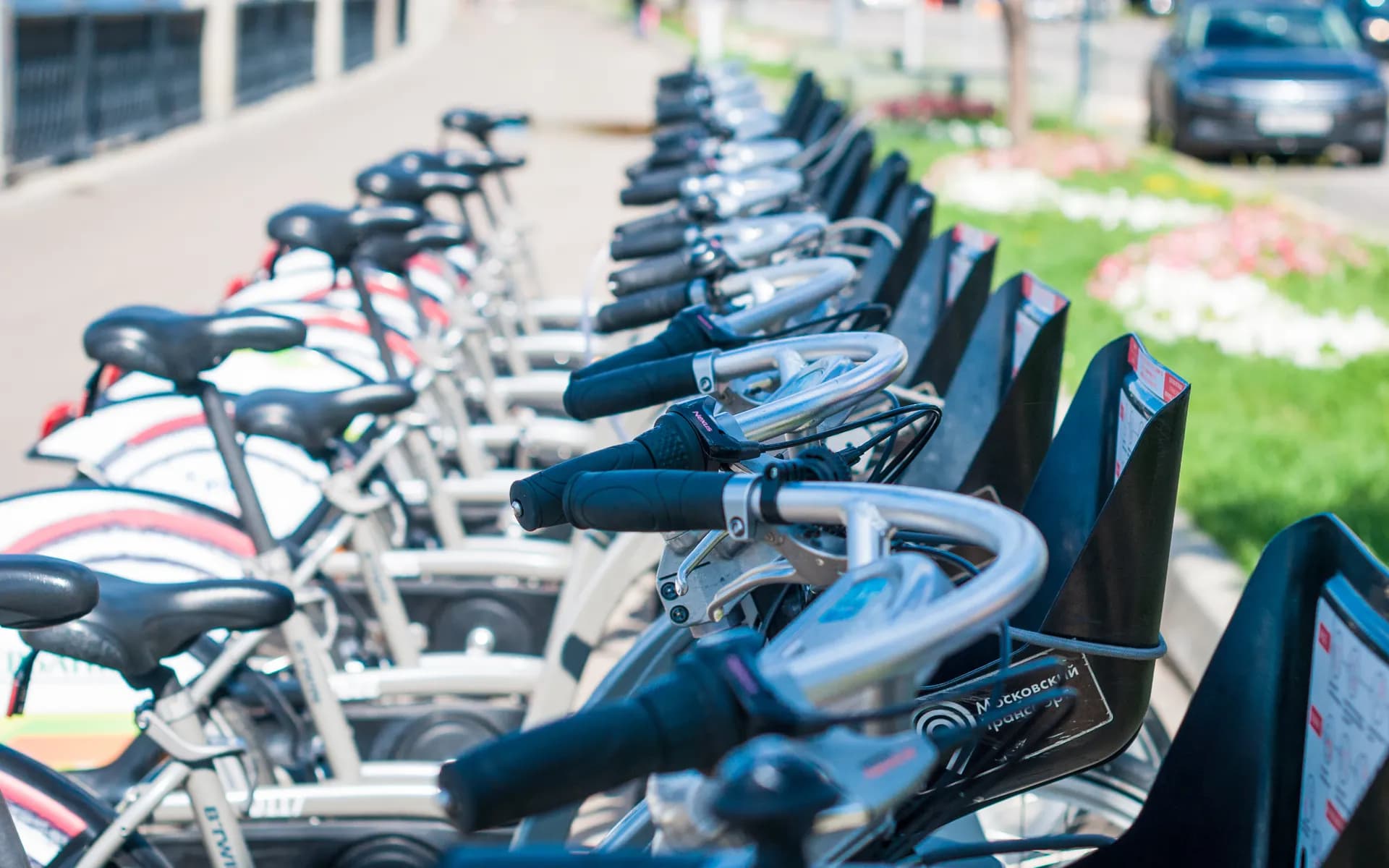
Dockless Bike-Share
Telematics
A full-stack dockless bike-share system: the smart lock firmware, BLE unlock, payment flow, and fleet operations platform. The lock on the bike is the product, covered end to end from the BLE stack to the billing record.
 THE CHALLENGE
In Bike-Share, the Smart Lock Is the Whole Business
A dockless bike-share scheme rises or falls on one component: the integrated wheel lock with its own controller, GNSS, and modem. If the BLE unlock is slow, riders walk away. If the lock claims a bike is locked when it is not, the asset is lost. If the geofence hubs are loose, bikes scatter across the city and operations cost explodes. The smart lock firmware, the BLE pairing and unlock logic, the payment integration, and the fleet operations dashboard form one product, so the moment a rider taps unlock the lock opens, the trip starts, and the meter runs cleanly.
One layer of the full Telematics and GPS Tracking platform, working closely with E-Scooter Fleet Telematics.
WHAT'S INCLUDED
From Lock Firmware to Fleet Ops
Smart Lock Firmware
Firmware for the integrated wheel lock runs on an STM32 or Nuvoton MCU, driving the lock motor, reading the lock-state sensor, and managing the GNSS and modem. The firmware confirms the physical lock state before it ever reports a bike as available, so an asset is never lost to a false lock.
BLE Unlock and Pairing
The BLE stack is built for fast, reliable unlock. The rider app pairs over BLE and sends a signed unlock command directly to the lock, so a bike opens even with no cellular signal. Cellular MQTT remains the path for server-issued commands and telemetry.
Payment Integration
Wallet, pay-per-ride, and subscription billing are integrated into the trip engine. Pre-authorization on unlock, metered fare on trip end, deposit handling, and refunds all reconcile against the lock state and GPS track so disputes are rare and easy to settle.
Geofenced Hubs and Parking
Geofenced parking hubs and operating-area boundaries keep bikes where they belong. Riders are guided to approved hubs, billing will not stop outside them, and out-of-area bikes trigger an operations task. Hub rules are configured per city and pushed over the air.
Fleet Operations Dashboard
The operator dashboard serves the field crew: low-battery and stranded bikes, rebalancing routes, maintenance flags, and lock-health diagnostics. Demand heatmaps tell the crew where to stage bikes for the next morning.
Rider App
The white-label rider app includes a map, scan or tap unlock, live trip and fare, in-app parking guidance, and ride history. The same trip engine powers the app, the billing, and the operations view from one source of truth.
THE UNLOCK PATH
Two Ways In, Both Fast
A bike-share unlock has to work in a basement bike rack with no signal and on a busy street with a strong one. Both the BLE direct path and the cellular path are built in so the rider always gets in, and the lock reports the same truth either way.
BLE Direct Unlock
When the rider is next to the bike, the app sends a signed unlock token straight to the lock over BLE. No round trip to the server, so the lock opens in under two seconds even with zero cellular coverage.
Cellular Command Unlock
Where BLE is not practical, the app calls the server and the lock receives an unlock over MQTT. The command is signed and time-bounded so it cannot be replayed to open the bike later.
Verified Lock-Back
On trip end the rider locks the wheel, the lock-state sensor confirms the bolt is home, and only then does billing stop and the bike return to the map. A lock that does not seat keeps the trip open and alerts the rider.
HOW IT WORKS
Lock, Network, Platform
On-Bike Firmware
FreeRTOS sequences the BLE stack, the lock motor and sensor, a u-blox or Quectel GNSS receiver, and the modem. A power budget tuned for months between charges keeps the bike reporting position even when parked idle for days.
Connectivity
A Quectel BG95 module on Cat-M1 and NB-IoT provides low-cost, low-power links, with MQTT over TLS for telemetry and server commands. Firmware and geofence updates roll out over the air in staged waves with rollback.
Cloud Platform
A time-series ingestion layer takes position and lock-health pings, the trip engine builds rides and fares, and the payment, rider, and operations services all read the same records. City hub rules and pricing are managed centrally per fleet.
DURABILITY AND COMPLIANCE
Outdoors, All Year
Weatherproof Lock
The lock and controller are designed to IP67 so rain, road spray, and snow do not reach the electronics, with a sealed connector to the GNSS antenna. The lock mechanism is validated against grit, freezing, and the abuse a parked bike takes.
Payment and Data Security
Payment runs through PCI-compliant processors, unlock tokens are cryptographically signed and time-bounded, and telemetry runs over TLS. Rider data handling follows GDPR and local privacy rules.
City Reporting
Where a city scheme requires it, the platform publishes GBFS and MDS feeds for fleet status, trip data, and parking compliance, giving your permit team the reporting the authority expects.
FAQ
Common Questions
Is the smart lock firmware built from scratch?
Yes. The lock firmware runs on an STM32 or Nuvoton MCU and covers the lock motor and sensor handling, the BLE stack, and the GNSS and modem management. Physical lock state is confirmed from a sensor before the platform ever marks a bike as available.
How does BLE unlock work without signal?
The rider app pairs with the lock over BLE and sends a signed, time-bounded unlock token straight to the lock, with no server round trip. That means a bike opens in under two seconds even in a basement rack with no cellular coverage.
How is payment integrated into a trip?
The trip engine pre-authorizes on unlock, meters the fare against the GPS track and lock state, and settles on trip end through a PCI-compliant processor. Because billing reconciles against verified lock-back, disputes are rare and easy to resolve.
Can bikes be kept inside parking hubs?
Yes. Geofenced hubs and an operating-area boundary keep bikes in place. Riders are guided to approved hubs, billing will not stop outside them, and any bike left out of area raises an operations task for the field crew.
What does the fleet operations dashboard cover?
It shows low-battery and stranded bikes, rebalancing and pickup routes, maintenance and lock-health flags, and demand heatmaps so the crew can stage bikes where the next rides start. It runs on the same trip data as the rider app.
Can the platform integrate with your existing bike hardware?
If your bikes use a standard smart lock with an accessible interface, the platform, app, and payment can be built around it. Where the existing lock is closed or unreliable, a dedicated lock firmware and controller gives full control of the unlock and lock-state path.
Ready to Build Your Bike-Share System?
Share your bikes, your cities, and your payment model to get a tailored walkthrough of the lock firmware, the BLE unlock, and the operations platform for your scheme.
Schedule a Free Consultation