

Monitoring Your Hatchery: Know How Temperature, Humidity and KPI Affects the Hatchability
A comprehensive guide on hatchery monitoring — learn how temperature, humidity, and KPI tracking directly impact hatchability and how smart monitoring systems can improve your results.
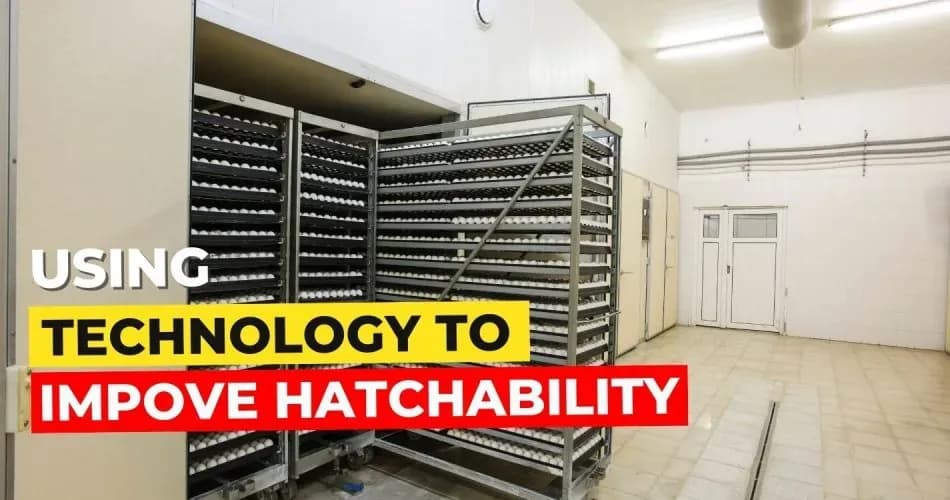
We were approached by a hatchery owner during the COVID-19 period. He lost a batch due to unstable temperature in one of their hatchery units. Later the issue was identified with the cabling of the heater, resulting in a big loss. Because we manufacture hatchery controllers, he approached us for a solution. The Live Hatchery Monitoring software and controller were developed by our team as an addon to existing controllers or as a stand-alone controller.
Hatch Success Starts in the Hatchery
Hatch success starts in the hatchery. The eggs you select, how they are handled in the hatchery and what happens during incubation can all have an impact on hatchability. Temperature and humidity play a critical role in successful hatching. Hatching egg mortality is greatly influenced by temperature and humidity control during incubation. A combination of knowledge and technology can help producers get a better handle on these variables and improve efficiency on their farm or hatchery unit.
Even Small Changes Matter
If you're a chicken hatchery owner, you know how important it is to maintain a constant temperature and humidity level. The eggs in your incubators are very fragile while they're developing, and any changes to those conditions can negatively impact hatchability. Changes in the key parameters can be due to multiple reasons including power fluctuations, door improper closing, parameter configuration issues, and many more.
Tracking Temperature and Humidity Across Multiple Incubators
Temperature and humidity control are vital to successful hatchery management, as they can impact embryo viability, chick quality and overall hatchability. You can use technology to optimize your temperature and humidity levels across multiple incubators in order to increase your hatchery efficiency.
Operator Monitoring with Motion Sensing
A unique feature of our solution is that it detects when an operator is near, and then shows time indicating some kind of operation is carried out, like door opening, adjusting configuration, loading or unloading the tray etc. The advantage is that the key parameters all can be viewed with respect to the operator indications.
The Importance of Monitoring Temperature & Humidity
Temperature changes during the incubation process have a significant impact on hatching rates due to their effect on embryonic development. In general, an increase of 2° Celsius above optimum results in a decrease of 0.5-1% hatchability while a drop below optimum by 1° C lowers hatchability by 3%. Likewise, humidity levels also affect hatchability; if humidity is too low it can negatively impact embryo development or cause dehydration which may damage feathers or membranes.
Accurate Humidity and Temperature Monitoring for Better Hatchery Control
Accurate humidity and temperature monitoring is critical for improving hatchery efficiency. The best way to monitor these variables is with a hatchery monitoring controller and software that reads the current conditions in your hatchery and sends data directly to your computer or tablet. Our RD250 Hatchery monitoring system will help you avoid issues such as low hatchability due to unstable incubation temperatures/humidity/operations, by providing early warning signs before it's too late.
Conclusion
No matter what hatchery you're working in, it's important to monitor and log its key metrics. If you want to ensure that your eggs are protected from machine anomalies, then consider investing in a hatchery monitoring system that has built-in sensors for humidity, temperature, and other key metrics.